Introduction
We make the process of how to clean floors with bleach safely simple and clear. In our cleaning routines, we typically follow these three essential steps: first, dilute bleach with water in the correct ratio; second, mop only bleach-safe floors such as tile or vinyl; and third, rinse and dry the floor thoroughly after cleaning. When you follow this method, bleach effectively disinfects floors, removes stains, and eliminates odors while helping protect your floors from damage.
Floors collect dirt, bacteria, spills, and grease every day, especially in high-traffic areas like kitchens, entryways, and bathrooms. Because of this, many homeowners turn to stronger cleaning solutions when regular mopping does not seem enough. In our professional cleaning work, we’ve often seen that bleach can be very effective, but only when it is properly diluted and used on the right types of flooring.
Over the years, we have worked with a wide range of homes and floor materials, and based on our experience and cleaning expertise, we understand how important it is to use bleach correctly on floors. In this guide, we will share everything you need to know, including the safe bleach-to-water ratios we use, the floor types that can safely handle bleach cleaning, clear step-by-step instructions, and important safety precautions. By following these practical floor cleaning tips, you can keep your floors clean, properly disinfected, and well-maintained without risking damage to the surface.
How Bleach Works as a Cleaning Agent for Floors
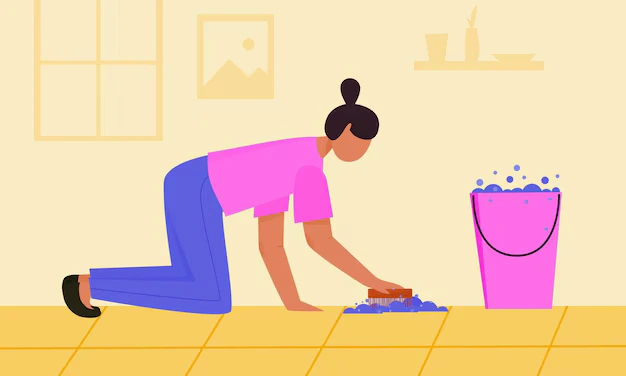
Bleach is a strong and versatile cleaning agent widely used for disinfecting, stain removal, and whitening floors. Its primary active ingredient, sodium hypochlorite, works by breaking down the cell walls of bacteria, viruses, and fungi, effectively killing harmful microorganisms and preventing the spread of germs.
When applied to floors, bleach not only disinfects but also helps lift tough stains, remove mold and mildew, and neutralize lingering odors. This makes it particularly useful in areas prone to spills, high foot traffic, or moisture, such as kitchens, bathrooms.
Benefits of Using Bleach on Floors
In our point of view, the main benefits of cleaning floors with bleach are:
- Best for Disinfection: Bleach effectively kills germs, bacteria, and viruses, keeping your floors hygienic and safe for everyone.
- Whitening and Stain Removal: It is highly effective at removing stubborn stains and brightening surfaces, especially on light-colored floors.
- Odor Control: When used correctly, bleach can neutralize unpleasant odors, leaving your floors smelling fresh.
Risks and Precautions
While bleach is a powerful cleaner for house cleaning, it must be used carefully to avoid potential problems:
- Health Risks: Direct contact can irritate the skin, eyes, and respiratory system, so you should always handle it with care.
- Floor Damage: Certain flooring types, such as wood, laminate, or colored tiles, can discolor or corrode if bleach is applied improperly.
- Chemical Reactions: Never mix bleach with ammonia or other household cleaners, as this can produce toxic gases.
Bleach can deliver impressive cleaning results. Understanding both its benefits and risks helps you use it in a way that protects your health and preserves your floors. With careful handling, it can be a reliable part of your floor-cleaning routine.
What are the Safe Ratios for Bleach Floor Cleaning
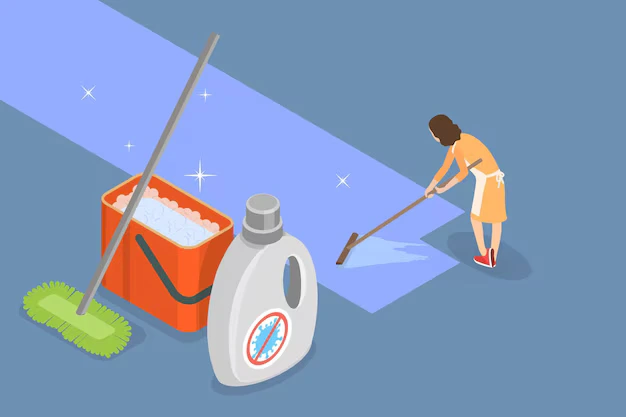
Knowing the right ratio is the most important step in making sure your cleaning is both effective and safe with cleaning your floors with bleach. Too less bleach won’t disinfect properly, while too much can damage your floors and create strong, and harmful fumes. The correct dilution depends on the type of floor you’re cleaning and the level of disinfection you need.
Understanding your floor type is key before applying bleach. Here’s a quick overview of which floor type works best with bleach and their recommended ratios.
| Floor Type | Bleach Safe? | Recommended Ratio & Notes |
| Ceramic Tile | Yes | Standard dilution: 1 tablespoon per quart of water (mild cleaning) or ¾ cup per gallon (deep disinfection). Rinse well. |
| Vinyl | Yes | Mild to medium dilution: 1–2 tablespoons per quart of water. Avoid prolonged exposure. |
| Laminate | Use Caution | Very light dilution: ½ tablespoon per quart of water. Test a small hidden area first. |
| Hardwood | Use Caution | Diluted solution only: ½ tablespoon per quart of water. Avoid soaking or prolonged contact. |
| Natural Stone | No | Bleach can etch or discolor stone. Use a stone-safe disinfectant instead. |
| Linoleum | Yes, Mild | Very mild dilution: 1 teaspoon per quart of water. Rinse immediately after cleaning. |
How to Safely Clean Floors with Bleach
While cleaning your floors with bleach, only knowing the right ratio is not enough. It’s about following a safe and effective process from start to finish. We bring this simple step-by-step guide to get the best results while protecting your floors and your health from harmful effects of bleach.
Step 1 – Prepare Your Area
- Clear the space by removing rugs, mats, and small pieces of furniture.
- Sweep or vacuum to get rid of loose dirt, dust, and crumbs. This ensures the bleach works directly on the surface instead of mixing with debris.
- Open windows and doors to allow proper ventilation that will reduce the strong bleach odor.
Step 2 – Prepare the Bleach Solution
- Mix bleach with water using the correct ratio for your floor type (refer to the safe ratios above).
- Pour the diluted solution into a clean bucket and stir gently.
Important: Never mix bleach with ammonia, vinegar, or other household cleaners, as this can create toxic fumes.
Step 3 – Cleaning Process
- Dip your mop or sponge into the bleach solution. Squeeze and let out the excess liquid to avoid over-soaking on the floor.
- Start mopping from one corner of the room and you should prefer to go your way backward toward the exit to avoid stepping on freshly cleaned areas.
- Then, let the solution be on the floor for 5–10 minutes. This is essential for proper disinfection.
Step 4 – Rinse and Dry
- After cleaning, rinse your mop or sponge thoroughly in clean water so that you don’t have cross contamination across your rooms.
- Mop the floor again with water to remove any bleach residue. If not cleaned properly, it can leave streaks or damage certain surfaces.
- Let the floor air-dry naturally, or open your fan to speed up the process.
If you follow this guide for cleaning the floors with bleach, you will see your floors are not only clean and germ-free but also safe and protected from unnecessary damage.
Essential Warnings and Best Practices for Cleaning Floor with Bleach
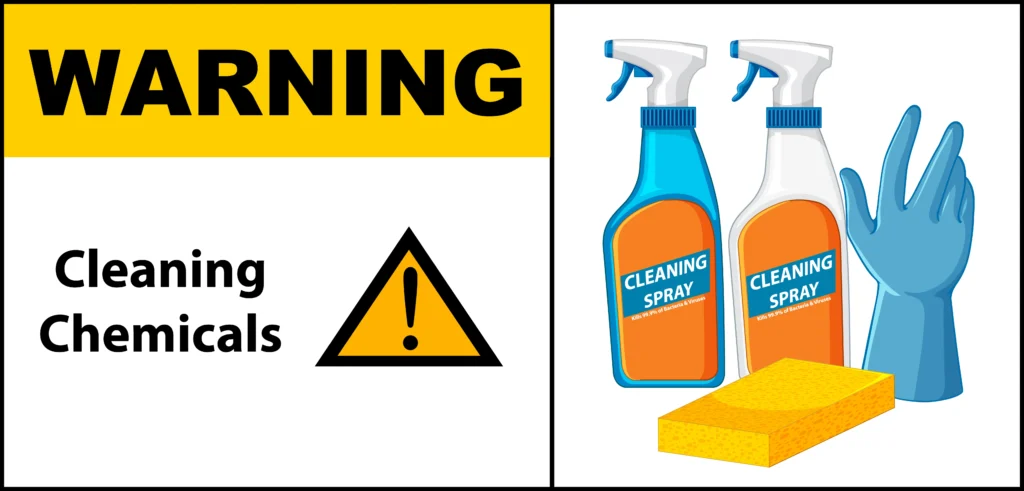
To protect your health, preserve the longevity of your floors, and prevent dangerous chemical reactions, these precautions are non-negotiable whenever you clean with bleach.
Personal Safety and Health Protocol
- Always wear protective gear: You should always wear gloves while cleaning. Even diluted bleach can cause burns or irritation to skin and eyes.
- Ensure proper ventilation: Open windows, turn on fans, so that the unwanted smell doesn’t settle down.
- Keep out of reach: Store both concentrated bleach and diluted solutions (if left) away from children and pets at all times.
Floor Safety and Chemical Hazards (The Danger List)
- Spot-test first: Always test the bleach solution in a hidden area, such as a corner or the area that is not visible easily. Wait 10 minutes, rinse, and check for discoloration or damage before proceeding.
- Understand dwell time: While letting bleach is necessary for disinfection, prolonged contact on sensitive floors—like wood, unsealed stone, or painted surfaces, it can cause damage. To avoid this, you should rinse thoroughly, once cleaning is complete.
- Never mix bleach: Avoid combining bleach with ammonia, vinegar, rust removers, or any other cleaners. Doing so can release highly toxic gases, including chloramine or chlorine gas, which are extremely dangerous.
Proper Storage and Disposal
- Store in a cool, dry place: Keep concentrated bleach in its original sealed container in a cool, dark place away from heat, sunlight, and food items. Sunlight can degrade the active ingredient (sodium hypochlorite) quickly.
- Dispose responsibly: Never pour concentrated or leftover bleach directly into drains. Dilute it with water before disposal, or follow local regulations to ensure safe disposal. Use leftover cleaning solution as soon as possible for efficient use.
Important Warnings Before Using Bleach
Before using bleach for floor cleaning, we always recommend taking a few important precautions. Bleach is a strong disinfectant, and while it can effectively remove germs, stains, and odors, improper use can damage floors or create safety risks. At Mesh Maids, we make sure to follow safe cleaning practices to protect both the floors and the people in the home.
1. Avoid Using Bleach on Certain Floor Types
Not every flooring material can safely handle bleach. Using it on sensitive surfaces can lead to permanent damage.
We do not recommend bleach for:
- Hardwood floors
- Laminate flooring
- Natural stone surfaces such as marble, granite, or travertine
Bleach can strip protective finishes, cause discoloration, and weaken these materials. For these types of floors, we use gentler, floor-safe cleaning solutions instead.
2. Dilute Bleach Properly
Using undiluted bleach is one of the most common mistakes in floor cleaning. Concentrated bleach can damage flooring surfaces and leave strong chemical residues.
In our cleaning routines, we always dilute bleach before using it.
A safe and commonly recommended ratio is:
- 1/3 cup of bleach per 1 gallon of water
We also mix bleach with cool or room-temperature water, because hot water can reduce its disinfecting effectiveness.
3. Never Mix Bleach With Other Cleaners
One of the most important safety rules we follow is never mixing bleach with other cleaning chemicals.
Bleach should never be combined with:
- Ammonia
- Vinegar
- Acid-based cleaners
Mixing bleach with these substances can create dangerous toxic gases, which can be harmful to breathe.
4. Ensure Proper Ventilation
Bleach fumes can be strong, especially when used on larger floor areas. When we clean floors with bleach, we always ensure the space is well ventilated.
We usually suggest to:
- Open windows and doors
- Turn on exhaust fans when available
- Avoid working in enclosed spaces without airflow
Good ventilation helps keep the cleaning process safer and more comfortable.
5. Use Basic Protective Gear
To stay safe during cleaning, we always use protective equipment when handling bleach.
Our basic safety practices include:
- Wearing rubber gloves to protect the skin
- Using a mask if fumes are strong
- Wearing old clothing or aprons to avoid bleach stains
These small precautions make a big difference in maintaining a safe cleaning routine.
6. Test a Small Area First
Before applying a bleach solution to the entire floor, we test it on a small, hidden area first. This allows us to check whether the floor reacts negatively to the solution.
During this test, we look for:
- Discoloration
- Surface damage
- Changes in texture or finish
Testing first helps us ensure the bleach solution is safe for the specific floor material.
What are the Other Alternatives to Bleach for Floor Cleaning
If you’re concerned about the safety of bleach, there are several other natural and effective alternatives that can keep your floors clean without harsh chemicals:
- Vinegar + Water: This combination works as a mild disinfectant and is excellent for removing everyday dirt and neutralizing odors. Mix one part vinegar with three parts water for regular cleaning. It’s particularly effective on tiles, vinyl, and sealed surfaces, helping to keep them fresh without harsh chemicals.
- Baking Soda: Baking Soda is known for its gentle abrasive properties, it can be used as a scrub for stubborn stains and grime. The best way to use it is to sprinkle a small amount on the floor, dampen it slightly, and gently scrub. It’s safe for most sensitive surfaces and won’t scratch or damage finishes.
- Essential Oils (like tea tree or lavender): Adding a few drops of antibacterial essential oils to your cleaning solution can enhance its germ-fighting power while leaving a natural, pleasant scent. Tea tree oil, in particular, has natural antimicrobial properties, making it a good choice for kitchens and bathrooms, while lavender oil adds a calming aroma for regular living areas.
In our experience, these alternatives are ideal for daily or weekly cleaning routines. While they may not replace bleach for deep disinfection in high-risk areas, they are safe, eco-friendly, and gentle on sensitive floors, helping you maintain a clean and healthy home. We recommend to have eco-friendly cleaning for your home, if you have pets and seniors at your home.
How Mesh Maids Can Help You
Keeping your floors spotless, disinfected, and shiny can be time-consuming, especially if you’re managing a busy household. That’s where you can trust Mesh Maids. Our professional cleaning team not only ensures your floors are hygienically clean but also brings back their natural shine, making your entire home look fresh and inviting.
Here’s how we make a difference:
- Expert Floor Cleaning: Whether it’s hardwood, cork, laminate, vinyl, or tiles, we use the right techniques and safe cleaning solutions to remove dirt, stains, and grime without damaging your floors.
- Deep Disinfection: We target bacteria, viruses, and allergens to maintain a healthy living environment for your family.
- Customized Cleaning Plans: We understand that every home is unique. That’s why, we create a plan that works best for you, using safe and effective methods.
- Time and Convenience: With Mesh Maids, you save valuable time while enjoying a professionally cleaned, sparkling home without any stress.
We take care of all your house cleaning needs, so every corner of your home is spotless and your floors are beautifully shiny, leaving your home fresh, and welcoming. For more information or to get in touch, contact us today!
Conclusion: A Balanced Approach to Bleach Floor Cleaning
Bleach is one of the most powerful ingredients for keeping floors clean, disinfected, and bright, but its effectiveness depends on how you use it. Knowing which floors are cleaned with the bleach and in what ratio is the key towards a balanced approach in cleaning with bleach.
For households with sensitive floors, like wood, laminate, or natural stone, or for those who prefer eco-friendly options, natural alternatives such as vinegar, baking soda, or essential oils can provide gentle, effective cleaning without harsh chemicals. Above all, safety should always be the priority while and after cleaning.
In summary, while bleach can be an effective cleaning agent, it’s essential to use it responsibly. Reach out to Mesh Maids today for reliable, expert house cleaning services.