To clean a bathroom faucet, you should start by spraying or soaking the faucet with white vinegar to break down mineral deposits, then let it sit for 10–15 minutes. Next step is to gently scrub the surface using a soft toothbrush or non-abrasive sponge, apply a baking soda paste for thicker calcium buildup, and rinse thoroughly with warm water. Finish by drying and buffing the faucet with a microfiber cloth to restore shine and prevent new water spots from forming.
At Mesh Maids, we’ve cleaned thousands of bathrooms over the years, and we’ve found that faucets are one of the areas where hard water stains show up the fastest. Through our hands-on experience in house cleaning, we’ve seen how improper scrubbing, harsh chemicals, or skipped maintenance can damage finishes and make stains worse over time. We know you want results without risking scratches or dull metal, and that’s exactly how we approach every faucet we clean.
This guide breaks down the exact techniques we use to clean bathroom faucets safely and effectively. Whether you’re dealing with light water spots or heavy mineral buildup, you’ll learn which products to use, how long to let them sit, and how to protect your faucet so it stays cleaner for a longer period of time.
Understanding Hard Water Stains on Bathroom Faucets

What Causes Hard Water Stains?
Hard water stains generally tend to appear when water rich in minerals such as calcium and magnesium dries on your bathroom faucet. As the water evaporates, these minerals remain on the surface and form visible residue. In start, these white spots are easy to ignore, but with repeated exposure, the deposits harden and build up in layers. Over time, this mineral accumulation becomes stubborn and difficult to remove using regular wiping or mild cleaning products.
Why Bathroom Faucets Are Prone to Buildup
Bathroom faucets are among the most frequently used fixtures in your home, which makes them especially vulnerable to hard water stains. Every time you wash your hands, brush your teeth, or rinse the sink, water splashes onto the faucet and surrounding areas. We notice that moisture tends to collect around the base, handles, and aerator, allowing minerals to settle and dry repeatedly. When these areas are not cleaned consistently, buildup becomes more noticeable and can make your faucet look dull even when the rest of the bathroom appears clean.
Common Signs of Hard Water Stains
Hard water stains often develop slowly, but there are clear signs that tell you mineral buildup is forming on your bathroom faucet. You may notice white or chalky spots appearing on the surface, especially after the water dries. A cloudy or dull finish is another common indicator, as mineral deposits reduce the natural shine of the faucet. We also see crusty buildup forming around the faucet base and handles, where water tends to collect and evaporate repeatedly. In more advanced cases, mineral deposits can clog the aerator, leading to reduced water flow. Identifying these signs early helps you take action sooner, making cleaning easier and preventing long-term or permanent damage to your faucet.
Why Proper Faucet Cleaning Matters
Proper bathroom faucet cleaning is important for maintaining both the appearance and hygiene of your bathroom. We see that regular cleaning not only improves how your bathroom looks but also protects your faucet from long-term damage caused by hard water buildup.
Enhances Bathroom Appearance
Water stains and mineral spots can make an otherwise clean bathroom appear neglected. We notice that spotless fixtures reflect attention to detail and proper home maintenance.
Prevents Long-Term Damage
Hard water minerals like calcium and lime can slowly corrode faucet finishes, which, over time, may cause discoloration, pitting, or peeling of the surface. Regular cleaning prevents mineral deposits from settling permanently and helps extend the life of your faucet.
Improves Hygiene
We understand that bathroom faucets are touched frequently and can collect germs and bacteria. Proper cleaning removes stains and bacteria together, creating a healthier bathroom environment for you and your family.
Tools and Supplies Needed to Clean a Bathroom Faucet
To begin with, you need to gather the right tools and supplies. We recommend using gentle yet effective items that remove hard water stains without scratching or damaging the faucet’s finish. Having everything ready also makes the cleaning process faster and more efficient for you.
Essential Cleaning Tools and Supplies
- Soft microfiber cloths to wipe surfaces without leaving scratches or streaks
- An old toothbrush or soft-bristle brush to reach tight areas around the base, handles, and aerator
- White vinegar to break down calcium and lime mineral deposits
- Baking soda for mild abrasion that lifts stubborn stains safely
- Lemon (optional) for natural acidity and a fresh scent
- Mild dish soap to remove grease, soap residue, and everyday dirt
- Warm water to help loosen buildup and activate cleaning solutions
- Spray bottle to apply vinegar or cleaning mixtures evenly
- Paper towels or a dry cloth for drying the faucet and preventing new water spots
These tools are safe for most faucet finishes and allow you to clean effectively without harsh chemicals. We find that using gentle supplies consistently helps maintain your faucet’s shine.
How to Clean a Bathroom Faucet: Basic Instructions
Step 1: Identify Your Faucet Finish
Before you begin cleaning, it is important to identify the type of faucet finish in your bathroom. Common finishes include chrome, stainless steel, brushed nickel, and brass or gold. Each finish reacts differently to cleaning products, especially acidic solutions such as vinegar or lemon. From our cleaning expertise, we know that using the wrong method or product can dull the finish or cause permanent damage. When you understand your faucet’s material, you can choose safer cleaning techniques that protect the surface while effectively removing buildup.
Step 2: Basic Cleaning for Light Dirt and Grime
Mix a Gentle Cleaning Solution
Start by preparing a mild cleaning solution that is safe for everyday use. Add a few drops of mild dish soap to a bowl of warm water and mix gently. We recommend avoiding harsh chemicals at this stage, as they are unnecessary for light dirt and may harm the finish. This simple solution is effective for loosening surface grime while remaining gentle on your faucet.
Wipe the Faucet Thoroughly
Dip a soft microfiber cloth into the cleaning solution, wipe out the excess water, and gently wipe the faucet surface. Make sure you clean the spout, handles, and base, where residue often builds up. Use an old toothbrush or soft-bristle brush to reach tight areas and crevices that are difficult to clean with a cloth. Based on our experience, this step removes everyday dirt and soap residue while preparing the faucet for deeper stain removal, ensuring better results in the next cleaning stages.
How to Remove Hard Water Stains from a Bathroom Faucet Using Vinegar, Baking Soda, and Lemon
Use White Vinegar for Mineral Buildup
White vinegar is one of the most effective and widely used solutions for removing hard water stains from bathroom faucets. Because vinegar is acidic in nature, it breaks down mineral deposits such as calcium and lime without the need for harsh chemicals. From our cleaning expertise, we know that when vinegar is used correctly, it can safely restore your faucet’s shine while protecting the finish.
Step-by-Step Method
- Soak a soft cloth or paper towel in white vinegar until it is fully saturated.
- Wrap the vinegar-soaked cloth around the stained areas of the faucet, focusing on spots with visible mineral buildup.
- Allow it to sit for 15 to 30 minutes, giving the vinegar enough time to dissolve the deposits.
- Remove the cloth and gently scrub the area using a soft-bristle brush or an old toothbrush to lift loosened residue.
- Rinse the faucet thoroughly with warm water to remove any remaining vinegar and mineral residue.
- Dry the faucet immediately with a clean microfiber cloth to prevent new water spots from forming.
When used with care, vinegar effectively dissolves mineral buildup and helps restore the faucet’s original shine. We recommend always drying the surface after cleaning, as this simple step helps you maintain a spotless, streak-free finish for longer.
Baking Soda Paste for Stubborn Stains
When hard water stains are more stubborn and do not respond fully to vinegar alone, baking soda offers a safe and effective solution. Baking soda provides gentle abrasion, allowing you to lift mineral buildup without scratching or damaging the faucet’s finish. From our cleaning expertise, we know this method works especially well on areas where deposits tend to be thicker, such as the faucet base and handles.
Step-by-Step Method
- Mix baking soda with a small amount of water until it forms a thick, spreadable paste.
- Apply the paste directly to the stained areas, making sure the buildup is fully covered.
- Allow it to sit for 10 to 15 minutes, giving the baking soda time to break down the deposits.
- Gently scrub the area using a soft toothbrush or microfiber cloth, applying light pressure.
- Rinse thoroughly with warm water to remove all residue.
- Dry the faucet completely with a clean cloth to prevent new water spots from forming.
This method is particularly effective for heavy mineral buildup around faucet bases and handles. We recommend using gentle motions and avoiding abrasive pads so you can remove stains while keeping your faucet finish looking smooth and polished.
Lemon for Natural Shine and Odor Control
Lemon is a natural and gentle option for removing light hard water stains while adding a fresh shine to your bathroom faucet. The citric acid found in lemon helps break down mineral deposits, making it easier for you to lift residue without using harsh cleaners. From our expertise in cleaning bathrooms, we know that lemon works best for mild buildup and routine maintenance, especially when you want a natural solution.
Step-by-Step Method
- Cut a fresh lemon in half and rub it directly over the stained areas of the faucet.
- Gently squeeze the lemon as you rub to release more juice onto the surface.
- Allow the lemon juice to sit for about 10 minutes, giving the citric acid time to dissolve mineral residue.
- Rinse the faucet thoroughly with warm water to remove any remaining juice.
- Dry the surface completely with a clean microfiber cloth to prevent new water spots.
In addition to breaking down mineral deposits, lemon leaves behind a clean, refreshing scent that helps reduce lingering bathroom odors. We recommend using this method as a finishing touch after regular cleaning or as a quick way for you to maintain shine between deeper cleanings.
Pro-Tip: Do not skip making your mirror shine to keep your bathroom looking amazing.
How to Clean the Bathroom Faucet Aerator (Usually Missed)
Why the Aerator Needs Attention
The faucet aerator plays an important role in controlling water flow and maintaining consistent pressure. Because it sits at the tip of the faucet, it is constantly exposed to hard water and mineral residue. Through our hands-on experience, we often see mineral buildup collect inside the aerator, where it can go unnoticed for a long time. When this buildup is left untreated, it can restrict water flow, cause uneven spraying, and reduce overall water pressure, making everyday tasks more frustrating for you.
How to Clean the Aerator
Cleaning the aerator is a simple but highly effective step that can restore proper water flow and improve faucet performance.
- Carefully unscrew the aerator from the tip of the faucet, using your fingers or a cloth for better grip.
- Place the aerator in a small bowl and soak it in white vinegar for about 30 minutes to dissolve mineral deposits.
- After soaking, gently scrub the aerator with a soft toothbrush to remove loosened buildup from the screen and grooves.
- Rinse thoroughly with warm water to wash away any remaining residue.
- Reinstall the aerator securely onto the faucet tip.
We recommend cleaning the aerator regularly, especially if you notice reduced water pressure. This simple maintenance step helps you maintain smooth water flow, improves faucet efficiency, and prevents mineral buildup from affecting your faucet’s performance over time.
How to Clean Different Faucet Finishes Safely
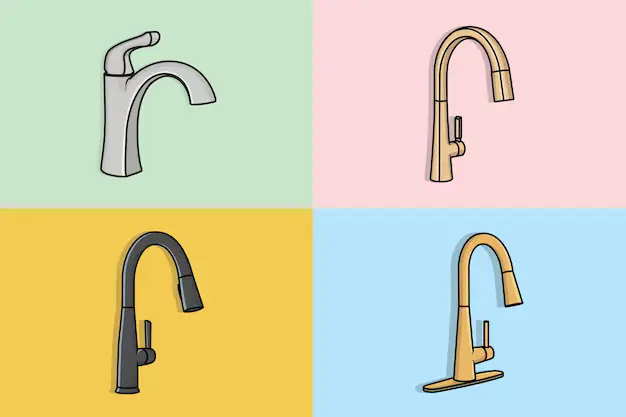
Cleaning your faucets properly depends on the type of finish. With our expertise, we know that using the wrong method or product can dull the surface, cause discoloration, or permanently damage the finish. Understanding how to care for your specific faucet helps you clean effectively while protecting its appearance and longevity.
Chrome Faucets
Chrome faucets are popular because of their bright, reflective finish, but they can show water spots easily. We recommend to use abrasive scrubbers, as they can scratch the surface and reduce shine. White vinegar is generally safe for chrome when used briefly to remove hard water stains, but it should never be left on for too long. After cleaning, always rinse thoroughly and dry the faucet with a soft cloth to prevent spotting and maintain a polished look.
Stainless Steel Faucets
Stainless steel faucets are durable, but they require proper technique to avoid streaks. We suggest cleaning along the natural grain of the metal rather than against it, as this helps preserve the finish. Mild dish soap mixed with warm water works well for routine cleaning, while vinegar should be used sparingly for mineral buildup. Buffing the faucet dry with a microfiber cloth ensures a clean, streak-free finish that looks professional.
Brushed Nickel Faucets
Brushed nickel faucets have a softer, matte appearance that can be damaged by harsh or acidic cleaners. From our expertise, we recommend avoiding vinegar or lemon unless the manufacturer specifically approves their use. For regular maintenance, you can use soap and warm water are usually enough to remove dirt and light stains. Drying the faucet immediately after cleaning helps you prevent water spots and keeps the finish looking even and consistent.
Brass or Gold Faucets
Brass and gold faucets require extra care due to their delicate finishes. We advise you to avoid acidic cleaners such as vinegar and lemon to clean brass and gold faucets. Instead, use mild dish soap and a soft cloth to clean the surface gently. Light polishing with a clean, dry cloth helps maintain the finish without wearing it down, allowing you to preserve the faucet’s elegant appearance for years to come.
Common Mistakes to Avoid When Cleaning Bathroom Faucets
Certain mistakes can undo your efforts or damage the faucet’s finish. As we have been cleaning homes for years, we often see these issues occur when you use methods that are too harsh or skip important final steps. Being aware of these common mistakes helps you clean more effectively and protect your bathroom fixtures.
Using Abrasive Tools
One of the most common mistakes we see people make is using abrasive tools such as steel wool, scouring pads, or hard-bristle brushes. While these may seem effective for removing stubborn stains, they can scratch the surface and permanently damage the faucet finish. We recommend sticking to soft microfiber cloths or soft-bristle brushes so you can remove buildup without leaving behind visible marks or dull patches.
Letting Cleaners Sit Too Long
Another frequent issue is leaving cleaning solutions, especially vinegar or other acidic cleaners, on the faucet for too long. Although these products help dissolve mineral deposits, extended exposure can dull the finish or cause corrosion on certain materials. We suggest following the recommended time limits and rinsing thoroughly once the stains loosen, allowing you to clean safely without harming the surface.
Skipping the Drying Step
Many people clean their faucets and allow them to air-dry, not realizing this can cause water spots to form all over again. When water droplets evaporate, they leave behind minerals that quickly undo your cleaning work. We always advise you to dry the faucet immediately with a clean microfiber cloth, as this simple step will help you maintain a streak-free shine and prevent future hard water stains.
How to Prevent Hard Water Stains on Bathroom Faucets
Preventing hard water stains is far easier than removing heavy mineral buildup later. We know that small, consistent habits make a noticeable difference in keeping your bathroom faucets clean and shiny.
Wipe Faucets Daily
A quick daily wipe goes a long way in preventing hard water stains. We recommend using a dry microfiber cloth to wipe your faucet after regular use. This simple habit stops water droplets from evaporating on the surface, which prevents minerals from settling and forming visible stains. When you take just a few seconds each day, you help maintain your faucet’s shine and reduce the need for deep cleaning.
Use a Weekly Cleaning Routine
In addition to daily wiping, a light weekly cleaning helps control mineral buildup. We suggest using mild soap and warm water to clean the faucet gently once a week. This routine removes early residue before it hardens, making it easier for you to keep your faucet looking clean without aggressive scrubbing or harsh cleaners.
Install a Water Softener or Filter
If hard water is a recurring issue in your home, installing a water softener or faucet filter can make a significant difference. From our expertise, we see that softened water reduces the amount of calcium and magnesium left behind on fixtures. While this solution requires an upfront investment, it helps you minimize mineral deposits, protect your plumbing, and reduce long-term maintenance throughout your bathroom.
When to Consider Professional Bathroom Cleaning
There are times when regular home cleaning is no longer enough to manage hard water stains and buildup. When mineral deposits become deeply embedded, spread across multiple fixtures, or continue to return despite frequent cleaning, a deeper approach is often required.
Professional deep cleaning is especially helpful when faucets, showerheads, tiles, and grout are all affected by hard water at the same time. This level of cleaning reaches areas that are difficult for you to clean thoroughly on your own, such as hidden crevices, aerators, and fixture bases. Regular deep cleaning also supports consistent hygiene, improves the overall appearance of your bathroom, and helps extend the lifespan of fixtures by preventing long-term damage caused by mineral deposits. Contact us to make your bathroom shinier and germ-free.
Conclusion
Knowing how to clean bathroom faucets helps you to keep your bathroom looking clean, fresh, and well cared for. With simple tools, safe cleaning methods, and a consistent routine, you can maintain shiny, hygienic faucets without spending extra time or money. Taking care of hard water stains early prevents mineral buildup from causing long-term damage and helps preserve the finish of your fixtures.
By using natural solutions like vinegar, baking soda, and lemon, along with cleaning techniques suited to your faucet’s finish, you can achieve professional-quality results at home. A clean bathroom faucet not only enhances the appearance of your bathroom but also supports a healthier living environment. With regular care, you save effort, avoid unnecessary repairs, and extend the life of your fixtures for years to come. Book your professional cleaning with Mesh Maids today!