
With years of experience in house cleaning, we know the best approach to clean glass is to remove the streaks with a microfiber cloth. But there are days, you might find your microfiber cloth is dirty. In that case, there are other alternatives to clean the glass. After testing and evaluating several methods, we’ve found that the best solution is to use a newspaper, paper towels, and coffee filters. This combination works very well for gently lifting oils, fingerprints, and dust without scratching the glass. It’s a safe and effective fix for when you don’t have a microfiber cloth or have a dirty one.
While microfiber cloths are designed to leave a streak-free finish, the real secret lies in how you clean, not just what you use. A clean 100% cotton T-shirt, a sponge, or a squeegee can do the job perfectly if used correctly. In our opinion, what truly matters is to ensure your glass is free of any dirt particles.
Based on our cleaning experience, we curated this guide for you. If you’ve also faced this on any day, this guide is your go-to solution. In this guide, we’ll walk you through the best alternatives to microfiber cloths that are safe for your glass, common household items to avoid, step-by-step cleaning methods, and pro insights from us to help you maintain long-lasting streak-free shine without the use of microfiber cloths.
Why Proper Glass Cleaning Technique Matters
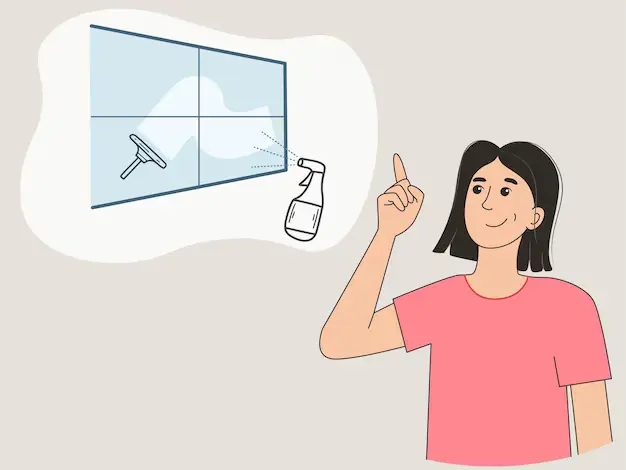
After years of experience, we’ve learned that it’s easy to clean glass, but even a single streak can ruin that perfect shine. Many people assume that cleaning glass is simply about wiping it down, but getting that streak-free finish actually depends on how you clean. Understanding the right technique is what separates an average clean from a truly professional result.
Prevent Scratches and Streaks
Glass may look smooth and strong, but it’s more delicate than you might think. Tiny dust particles, paper towels, or even the wrong type of cloth can cause fine scratches that build up over time. These micro-scratches scatter light, dull the shine, and make your glass appear foggy. We’ve seen this happen in homes where harsh scrubbing or rough fabrics are used. By choosing the right tools like microfiber cloths, soft sponges, or gentle cleaners, you protect the glass’s surface while achieving that streak-free brilliance.
Enhance Clarity and Shine
Proper cleaning techniques do more than removing dirt. They restore shine, letting your home look brighter and more polished. Whether it’s your windows, shower doors, or glass tables, clean glass enhances the overall feel of your space. From our experience, wiping in one consistent direction and drying thoroughly are small but effective habits that make a huge difference in maintaining that sparkling finish.
Maintain Longevity
Regular, gentle care helps glass stay beautiful for years. Hard water stains, grease, and soap scum may not seem like major problems, but if left untreated, they can permanently dull or etch the surface. Working with hundreds of families, we’ve seen many cases where people thought their glass cannot be cleaned properly. Cleaning regularly and using the right products prevents buildup and protects the natural transparency of your glass, keeping it looking as fresh as the day it was installed.
At Mesh Maids, we believe that your glass in home deserves the same level of care as any other part of your home. When you clean it correctly, it doesn’t just shine, it reflects your personality.
Best Alternatives to Microfiber Cloth
At Mesh Maids, we know that not everyone has a microfiber cloth with them. You can still achieve a streak-free shine on your glass using simple, everyday alternatives that you probably already have at home. Each option below is tested and safe for your glass surfaces.
1. Newspaper (Old but Gold)
It’s one of those classic tricks that’s the oldest and best of all time. Newspaper works surprisingly well for cleaning glass because of its dense fibers and slight abrasiveness. The ink helps break down grime, while the paper itself buffs the surface to a gleaming finish.
How to use:
Spray your cleaner or a vinegar-water solution directly onto the glass. Crumple up a sheet of newspaper and wipe in gentle circular motions. For the final touch, switch to long vertical or horizontal strokes for that flawless, streak-free look.
Mesh Maids Tip: Avoid using colored or glossy pages, as they can leave behind ink residue. Stick with traditional black-and-white newspapers for the best results.
2. Coffee Filters
This is one of our favorite household hacks. Coffee filters are lint-free, soft, and absorbent. This makes them perfect for delicate glass surfaces like mirrors, windows, and glass tables.
How to use:
Spray your cleaning solution lightly, then wipe using smooth, overlapping motions. Replace the filter once it becomes too damp to avoid streaking. You’ll be amazed at how clean and shiny your glass looks afterward.
3. Paper Towels (Use with Caution)
Paper towels are often the first thing people reach for but not all are created equal. Cheap, thin brands tend to shed lint or leave streaks behind.
Mesh Maids Tip: If you use paper towels, pick a thicker, high-quality brand. Use one sheet to apply the cleaning solution and another dry one to buff the glass afterward. This two-step method prevents streaks and gives a clear, polished finish.
4. Cotton Cloth or T-Shirt
A soft, old cotton T-shirt is a surprisingly great alternative to microfiber. It’s available very easily at our homes. It’s smooth, washable, and gentle enough to clean glass without scratching.
How to use:
Spray your cleaner directly on the glass (not on the cloth) to prevent oversaturation. Wipe in gentle circular motions to remove smudges, then finish with long, even strokes for a spotless look.
From our experience, cotton fabrics are especially handy for smaller areas like glass tables, mirrors, or cabinet doors.
5. Sponge and Squeegee Combo
For larger glass areas such as windows or shower doors, cleaning professionals often rely on the classic sponge-and-squeegee method. It’s fast, efficient, and leaves no streaks behind.
Step-by-step Instructions:
Dip a soft sponge in a bucket of warm, soapy water — just a drop of dish soap will do. Wipe the glass thoroughly to loosen dirt and grime. Then, use a squeegee starting from the top and pull it down in smooth strokes, wiping the blade with a cloth after each pass. Finish by drying the edges with a clean cotton towel to catch any remaining moisture.
This combo is ideal for homeowners who want a truly professional-level clean. It’s especially useful for bathrooms, large mirrors, and floor-to-ceiling windows where streaks tend to show the most.
Cleaning your glass is all about choosing the right material and applying a gentle, consistent technique. Whether you grab an old T-shirt, a coffee filter, or even a piece of newspaper, your glass can still sparkle just as beautifully with the right technique.
What are the Different Types of Glass
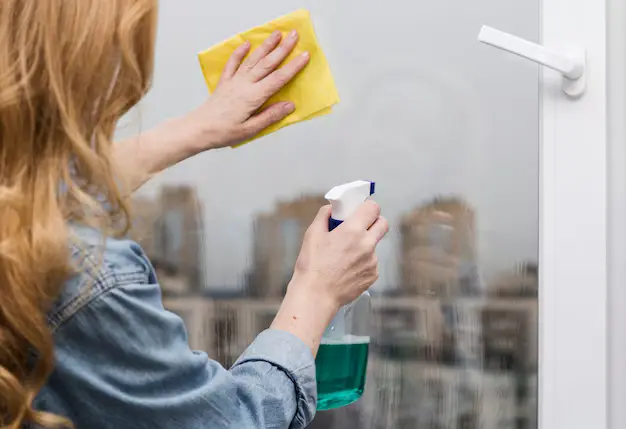
Before exploring the best alternatives to microfiber cloth, it’s important to understand that not all glass is treated equally. Different types of glass surfaces respond differently to cleaning methods and products. Knowing your surface type helps you choose the safest and most effective approach — whether you’re cleaning windows, mirrors, or tabletops.
At Mesh Maids, we’ve noticed that homeowners often use the same method across all surfaces, which can unintentionally cause streaks, dullness, or even damage. Here’s how to treat each type of glass with the care it deserves:
Tempered Glass
You’ll commonly find tempered glass in your home windows, shower doors, and modern furniture. It’s durable and resistant to heat, but it’s also prone to streaks if cleaned incorrectly. Avoid using strong ammonia-based cleaners, as they can leave cloudy marks or weaken any protective coatings. Instead, go for gentle vinegar-water solutions or alcohol-based sprays for a crystal-clear finish.
Pro Tip: Use a squeegee or soft cotton cloth to remove moisture immediately — leaving it to air dry often causes streaks.
Decorative or Frosted Glass
Frosted or decorative glass adds elegance and privacy, but its textured surface can trap dust and fingerprints. The key is to clean it gently and with minimal moisture. Spray the cleaner lightly on a soft cloth (not directly on the glass) and wipe in gentle circular motions to avoid forcing dirt into the etched surface.
If buildup occurs, a soft-bristled brush or toothbrush can help lift grime from crevices without scratching.
Mirror Glass
Mirrors are especially sensitive to streaks and moisture. Too much cleaner can seep behind the mirror and damage the backing, leading to dark spots over time. We always recommend using a streak-free cleaner and drying immediately with a clean, lint-free cloth.
We suggest everyone to spray cleaning solution onto the cloth — not directly on the mirror — to control moisture and prevent edge damage. You can see the result is flawless, a reflective finish without any residue.
Tinted or Coated Glass
Some windows or furniture pieces are made with tinted or coated glass for UV protection or aesthetic appeal. These coatings can wear away if exposed to harsh chemicals like ammonia or bleach. For such kind of glasses, you should use mild, non-abrasive cleaners and soft materials only.
By understanding the type of glass you’re working with, you can choose the safest cleaning method and avoid unnecessary wear or streaking. Once you know your glass type, it’s time to explore the best alternatives to microfiber cloth for that spotless, streak-free shine.
Best DIY Glass Cleaner Recipes
While commercial products deliver good results, homemade solutions can be just as effective, often safer, and more environmentally friendly. DIY remedies are the best from our experience, and you already have all the ingredients you need right in your kitchen. Here are a few tried-and-tested recipes that we personally love using for that professional, streak-free shine.
1. Vinegar and Water
This is one of the timeless classics and remains one of the best natural glass cleaners you can make. It’s simple, affordable, and ideal for everyday cleaning. The acidity of white vinegar cuts through mineral buildup, grease, and soap scum — perfect for windows, mirrors, and shower glass.
Recipe:
- 1 part white vinegar
- 1 part distilled water
How to use:
Mix both ingredients in a spray bottle and shake gently. Spray directly onto the glass and wipe clean using your preferred cloth or paper alternative. For best results, work in circular motions, then finish with straight strokes.
Mesh Maids Tip: Avoid using vinegar on tinted or coated glass, as it can wear down the protective film over time.
2. Rubbing Alcohol Solution
This quick-drying formula is one of our favorites for mirrors, glass tables, and decorative glass surfaces. Rubbing alcohol evaporates fast, leaving behind a spotless, streak-free finish — perfect for those times when you need instant clarity.
Recipe:
- 1 cup rubbing alcohol
- 1 cup water
- 1 tablespoon white vinegar
How to use:
Combine the ingredients in a spray bottle and shake well before each use. Lightly mist the surface, then wipe with a lint-free cloth or coffee filter. This solution is especially useful for removing fingerprints, smudges, and oily marks without leaving a trace.
3. Dish Soap and Water
When you’re dealing with tougher stains — like grease, fingerprints, or dirt buildup — dish soap is a gentle yet powerful ally. It lifts away grime without scratching or clouding the glass.
Recipe:
- A few drops of mild dish soap
- Warm water (around 2 cups)
How to use:
Dip a soft sponge into the soapy mixture and gently wipe the glass. Rinse with clean water to remove any residue, then dry immediately using a cotton cloth or T-shirt. This simple solution is particularly great for kitchen glass surfaces or bathroom mirrors where residue tends to build up.
From our experience, these DIY recipes to clean glass work just as effectively as store-bought ones and sometimes even better. They’re safe, affordable, and free of harsh chemicals, making them a great choice for families, pet owners, and anyone who loves a clean home with a personal touch.
What to Avoid When Cleaning Glass
While cleaning, our clients tell us about their cleaning techniques that lead to cloudy, streaked, or even scratched glass surfaces. We make them understand that glass requires a bit of care and the right approach to keep its shine long-lasting. While it’s easy to focus on what to use, it’s equally important to know what not to use. Here are some common mistakes and materials you should avoid to protect your glass surfaces.
1. Avoid Abrasive Materials
It might be tempting to grab any cloth or sponge nearby, but not all materials are safe for glass. Avoid using paper napkins, facial tissues, rough sponges, or scrubbing pads. Even though they seem soft, these items contain rough fibers that can leave tiny scratches or dull the surface over time.
From cleaning houses for years, we’ve found that these micro-scratches build up gradually, especially on frequently cleaned surfaces like mirrors or windows, causing them to lose their natural clarity. Instead, opt for soft cotton cloths, old T-shirts, or other lint-free materials that gently lift dirt without causing damage.
2. Skip Ammonia-Based Cleaners Indoors
Ammonia-based cleaners are known for delivering a brilliant shine, but they come with a downside. They emit strong fumes that can irritate your eyes and lungs, especially when used in enclosed spaces like bathrooms or kitchens. Moreover, they can damage surrounding materials such as wood trim, painted frames, and even certain plastics.
We recommend using vinegar or alcohol-based cleaners when cleaning indoors. These alternatives are safer, just as effective, and far more environmentally friendly. Reserve ammonia-based cleaners only for outdoor windows where ventilation is better — if you must use them at all.
3. Don’t Use Dirty or Damp Cloths
One of the most overlooked cleaning mistakes is reusing dirty or damp cloths. When you wipe glass with a cloth that already contains dust, residue, or lint, you’re essentially spreading the grime around instead of removing it.
Always make sure your cloth is clean, dry, and free of lint before starting. If you’re using reusable rags, wash them frequently without fabric softener (since it can leave a residue that streaks). At Mesh Maids, we often recommend keeping a small stack of clean, dry cloths on hand so you can switch them out mid-clean if needed. This small habit can make a big difference in achieving that streak-free finish.
4. Avoid Cleaning in Direct Sunlight
It’s a common mistake to start cleaning glass during the brightest part of the day, thinking the sunlight helps you see streaks better. However, direct sunlight actually causes the cleaner to dry too quickly, leaving streaks or water marks before you can wipe them away.
We’ve noticed that cleaning glass early in the morning or late in the evening delivers much better results. During these cooler times of day, the cleaner has enough time to dissolve dirt and evaporate evenly, leaving behind a crystal-clear surface.
5. Don’t Overuse Cleaner
Using too much cleaning solution might seem like it would make glass cleaner, but it often does the opposite. Excess product can create streaks, drips, and even attract dust once it dries.
Instead, apply a light mist — just enough to dampen the surface. If the glass is heavily soiled, repeat the process rather than oversaturating it in one go.
6. Don’t Neglect the Frames and Edges
Many people focus solely on the glass itself and overlook the edges and frames. If you clean glass without wiping the surrounding areas first, dust or cleaner residue can drip or smear back onto the surface you just polished.
Always start by dusting or wiping the frames and edges before cleaning the glass. This prevents recontamination and ensures the entire surface stays spotless.
Serving hundreds of homes in Canada, we’ve learned that avoiding these common mistakes can save you time, effort, and even money in the long run. When you use the right tools and techniques, your glass will stay clearer, brighter, and more beautiful for years to come. After all, cleaning the glass is not only about what to use and how to clean.
Eco-Friendly Routine for Your Glass Cleaning
If you’re someone who values sustainability, cleaning glass without creating waste or relying on harsh chemicals is absolutely possible. Small, mindful changes in your cleaning routine can make a big difference for your home and the environment.
Here’s how you can make your glass-cleaning process more eco-friendly and efficient:
Reuse What You Already Have
Instead of reaching for disposable paper towels, consider repurposing old cotton shirts, towels, or linens. These soft fabrics work just as well as microfiber cloths and are completely reusable. Wash and air dry them after each use — it’s a simple switch that reduces landfill waste and saves you money over time.
Switch to Vinegar-Based Cleaners
Skip the chemical sprays and make your own vinegar-water solution. It’s non-toxic, biodegradable, and cuts through grease, fingerprints, and water stains with ease. Plus, vinegar naturally disinfects without releasing harmful fumes into your home. We often use this method ourselves at Mesh Maids for eco-conscious clients — it’s safe, effective, and leaves glass streak-free.
Reuse Greywater for Outdoor Cleaning
If you rinse cloths or buckets while cleaning indoors, consider collecting the greywater (as long as it’s free of harsh detergents) and reusing it for outdoor glass surfaces like windows, patio doors, or car glass. It’s a simple yet practical step toward reducing water waste.
Choose Sustainable Tools
We suggest you to opting for reusable spray bottles, bamboo squeegees, or eco-labeled cleaning products whenever possible. These tools last longer and are often made from recyclable materials.
By building an eco-friendly glass-cleaning routine, you’re not just polishing surfaces — you’re contributing to a cleaner, greener world. It’s one of those everyday actions where small efforts add up, and we at Mesh Maids love helping our clients embrace sustainable cleaning habits that truly make a difference.
Quick Fix: Emergency Cleaning Hacks for Glass Cleaning
We know that sometimes guests arrive unknowingly. That’s why a few quick, emergency fixes can address these kinds of situations with ease.
Use a Clean Cotton Sock as a Cloth
When you can’t find a microfiber or cotton towel, grab a clean sock — preferably one made of 100% cotton. Slip it over your hand, spray your DIY or store-bought cleaner, and wipe the glass in circular motions. It’s surprisingly effective and great for tight corners or mirrors.
Newspaper + Vinegar = Classic Combo
If you’re short on paper towels, reach for old newspaper pages. Combine them with a vinegar-water solution for a streak-free shine that rivals professional cleaning. Crumple the newspaper, wipe in circles, and finish with straight strokes for a spotless finish.
Cut Lemon for Water Stains
For stubborn hard water marks or soap scum, slice a lemon and rub it directly over the affected area. The citric acid breaks down mineral deposits naturally. Rinse with warm water and dry with a clean cloth — your glass will gleam and smell fresh.
These emergency glass-cleaning hacks are proof that you don’t always need fancy products to keep your home looking its best. With a little creativity — and the right know-how — you can achieve that just-cleaned sparkle anytime.
When to Call Cleaning Professionals

Even the most dedicated DIY cleaner reaches a point where home remedies just aren’t enough. Over time, hard water stains, mineral buildup, and etched glass marks can become stubborn — especially on shower doors, tall windows, or outdoor glass panels. That’s when calling in professionals makes all the difference.
At Mesh Maids, we’ve seen how glass surfaces can lose their brilliance when residue or limescale sets in. Our team uses eco-friendly techniques to safely restore your glass without scratching or clouding it.
If your glass still looks foggy no matter how much you scrub, or if water spots keep reappearing, that’s your clue to reach out. Professional cleaning not only revives clarity and shine, but also extends the life of your glass surfaces — saving you from costly replacements later on.
For busy homeowners, professional care is a smart, time-saving investment that ensures every surface sparkles effortlessly. Contact us for all your house cleaning needs. We provide professional and reliable cleaning services across Canada, including Toronto, Markham, Pickering, Vancouver, Calgary, and more.
If you’re living in Calgary or your relative is living in Pickering, your first question must be how much to pay for cleaning services in Calgary and Pickering. To understand pricing better, check out our detailed guide on how much you should pay for cleaning services in Calgary.
Conclusion: Shine Without the Microfiber
You don’t need a microfiber cloth to achieve spotless, streak-free glass — just the right techniques and smart alternatives. Everyday items like newspaper, coffee filters, cotton cloths, can deliver beautiful results when paired with gentle, effective cleaning solutions.
Remember to avoid abrasive materials, use clean cloths, and dry edges immediately for that professional finish.
And if your glass still looks hazy or dull after multiple attempts, consider calling in the experts. Whether it’s your mirrors, windows, or shower doors, a deep professional cleaning can bring back that brilliant, crystal-clear shine your home deserves. Book your cleaning appointment with Mesh Maids now.