Introduction
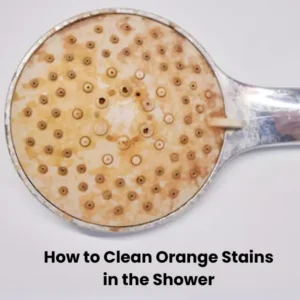
There’s nothing worse than stepping into your shower expecting a fresh, clean start—only to spot those stubborn orange stains on the tiles, grout, or even the glass doors. They make your bathroom look dirty even if you clean it often, and they can leave you wondering if your shower is really as hygienic as it should be.
Orange stains aren’t permanent. Most of the time, they’re caused by things like mineral deposits in your water, leftover soap scum, or even bacteria that thrive in damp areas. With the right cleaning methods, you can get rid of them safely and bring back the shine to your bathroom.
In our experience, orange stains can appear in any home’s shower, whether you live in Surrey or Lake Country. If you’re facing this issue, your bathroom definitely needs a thorough deep clean. To bring back the shine and freshness, opting for our house cleaning services in Lake Country is a great choice.
In this guide, you’ll learn:
- Why orange stains show up in the first place (so you know what you’re dealing with).
- Step-by-step cleaning methods to remove them without harming your tiles or grout.
- Simple prevention tips to stop stains from coming back, saving you time and effort in the long run.
By the end, you’ll know exactly how to clean orange stains in the shower, without relying on harsh chemicals
Understanding Orange Stains in the Shower
What Causes Orange Stains?
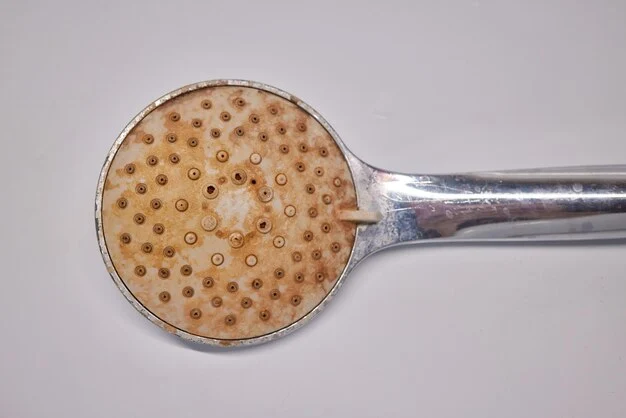
If you’ve ever wondered why those rusty or slimy stains keep showing up, you’re not alone. Orange stains in the shower usually come from a few common culprits:
- Iron in Water – If your water supply has a high iron content, the minerals can oxidize (like rusting metal) and leave behind orange or brown marks on tiles, tubs, and glass doors.
- Bacteria Growth – A type of bacteria called Serratia marcescens loves damp, warm places like showers. It often shows up as an orange or pinkish film in corners, grout, or around drains.
- Soap Scum + Minerals – When soap mixes with hard water minerals, it can create a sticky buildup that sometimes takes on an orange tint over time.
Why They’re Difficult to Remove
Unlike simple dirt or dust that wipes away easily, orange stains are stubborn for a reason:
- They soak into grout and porous surfaces – Once inside tiny cracks or textures, they don’t just sit on the surface.
- They cling tightly to buildup – Soap scum and mineral deposits act like glue, locking stains in place.
- They can be living organisms – If bacteria is involved, regular scrubbing alone won’t work—you’ll need something that disinfects to fully get rid of it.
That’s why orange stains often feel like a never-ending battle—but with the right approach, they can be tackled effectively.
How to clean Orange Stains in the Shower: Step-by-Step Guide
Tools & Materials You’ll Need
Before you start, gather these essentials:
- Rubber gloves
- Protective eyewear (for chemical cleaners)
- Scrub brush or old toothbrush (soft- to medium-bristled)
- Non-scratch sponge
- White vinegar
- Baking soda
- Lemon juice
- Hydrogen peroxide (3%)
- Commercial rust remover (iron stain cleaner) – optional
- Spray bottle
- Microfiber cloths
- Warm water
Step 1 – Identify the Cause
Knowing whether your stains are caused by iron, bacteria, or soap scum will help you choose the most effective cleaning method.
- Iron stains → Use acidic cleaners like vinegar or lemon juice.
- Bacterial stains → Use disinfectants like hydrogen peroxide.
- Soap scum with minerals → Use baking soda scrubs or a mix of vinegar and dish soap.
Step 2 – Prepare the Shower Area
- Remove shampoo bottles, razors, and loofahs.
- Rinse the stained areas with warm water to loosen debris.
- Keep the bathroom well-ventilated (open a window or run an exhaust fan).
Step 3 – Natural Cleaning Methods
Vinegar Spray for Iron Stains
- Fill a spray bottle with equal parts white vinegar and warm water.
- Spray generously over the orange stains.
- Let sit for 10–15 minutes.
- Scrub with a soft brush.
- Rinse thoroughly with warm water.
Baking Soda Paste for Stubborn Marks
- Mix 3 parts baking soda with 1 part water to form a paste.
- Apply directly to stains using a sponge or toothbrush.
- Let sit for 15 minutes.
- Scrub gently and rinse.
Lemon Juice for Natural Whitening
- Squeeze fresh lemon juice onto the stains.
- Let it sit for 10 minutes (lemon is acidic and helps dissolve minerals).
- Rinse with warm water.
Step 4 – Disinfecting for Bacterial Stains
- Pour hydrogen peroxide (3%) into a spray bottle.
- Spray directly onto the stained areas.
- Allow it to bubble and sit for 10 minutes.
- Scrub and rinse well.
This method kills bacteria without the harsh fumes of bleach.
Step 5 – Using Commercial Cleaners (If Needed)
If stains remain after natural cleaning, opt for a bathroom safe rust remover or a specialized iron stain cleaner.
Tip: Always test in a hidden spot first to ensure the cleaner doesn’t damage tiles or grout.
By following these steps, you can easily clean orange stains in the shower.
How to clean Orange Stains in the Shower: Preventions during Cleaning
The best prevention combo is to keep things dry, improve airflow, reduce minerals, and do quick upkeep.
Improve Ventilation
It helps in removing humid air fast so that moisture (and bacteria) can’t linger. Keep these pointers in mind:
- Run the exhaust fan during your shower and 20–30 minutes after.
- Door & window: Keep the bathroom door slightly open after showering
- Angle the shower curtain/door open to let air reach corners and tracks.
- Dry the hotspots: After the fan runs, quickly wipe shelves, door tracks, and corners where water collects.
- Fan care: Vacuum the fan grille monthly and wipe the blades/cover every 3–6 months so it actually moves air.
- Fog test: If mirrors stay foggy long after a shower, you need more airflow. Use a stronger fan or add a window vent routine. Know here how to clean cloudy mirrors.
Pro tip: Know how to clean the shower floor to make your bathroom smells amazing always.
Wipe Down After Use
Remove water + soap film before they dry into stains.
60-second routine:
- Squeegee glass, walls, and door from top to bottom.
- Microfiber cloth the fixtures, shelves, and door tracks.
- Shake out the curtain liner or leave the door open to dry. Knowing how to clean plastic shower curtain is a plus for you in maintaining a bathroom that looks amazing.
Pro tip: Switch from bar soap to liquid body wash to reduce soap scum (biofilm food source).
Weekly Maintenance
Clean it regularly so stains never get a foothold.
For pink/orange biofilm
- After your regular spray, target corners, shelves, and door tracks.
- Use 3% hydrogen peroxide on a cloth for seams and silicone lines; let sit 5 minutes, then rinse and dry.
For iron/rust tinge (non-stone only)
- Spot-treat with a citric-acid-based bathroom cleaner or a lemon-juice wipe; rinse well and dry.
- If persistent, reassess filtration (above).
Weekly checklist (2–5 minutes):
- Spray, wipe, rinse, dry.
- Clean the door tracks, shelf corners, silicone seams, and around fixtures.
Important safety:
- Never mix vinegar and bleach because it is highly toxic.
- Wear gloves if you have sensitive skin.
Bonus Tips for a Seamless Cleanup
Target Grout Early
Grout is one of the first places where orange stains, soap scum, and mildew can set in because it’s porous and absorbent. Once stains seep in, they’re much harder to remove.
- Seal grout lines: Apply a grout sealer once or twice a year to create a protective barrier. This keeps stains from sinking in and makes weekly wipe-downs much easier.
- Quick spot treatment: If you see orange tint starting, use a toothbrush dipped in baking soda paste or hydrogen peroxide for a gentle lift.
Pro tip: Always dry grout after scrubbing—it keeps water from settling back into the pores.
Avoid Harsh Scrubbing on Glass
Glass shower doors and panels can scratch easily if you use the wrong tools. Scratches not only dull the finish but also give stains a place to cling.
- Skip steel wool and rough sponges. Instead, use microfiber cloths, non-abrasive scrub pads, or a rubber squeegee.
- For tough water spots: Apply a white vinegar and water mix, let it sit for 5–10 minutes, then gently wipe away.
- Prevention matters: A quick squeegee after each shower keeps buildup from forming in the first place.
Pro tip: Apply a glass treatment spray (like a rain-repellent) once a month. It makes water bead up and roll off, reducing stains.
Dry After Cleaning
Even the best cleaning effort can go to waste if you leave moisture behind. Residual water encourages biofilm, mildew, and orange stains to reappear quickly.
- After every cleaning session: Dry walls, doors, and fixtures with a microfiber towel.
- For faster drying: Turn on the exhaust fan or set up a small portable fan for 15–20 minutes.
- Don’t forget hidden spots: Wipe corners, shower door tracks, and around fixtures where water often lingers unnoticed.
Pro tip: Keep one towel dedicated to post-shower drying in your bathroom—it takes less than a minute and extends the time between deep cleans.
Together, these bonus tips help lock in your efforts so your shower stays fresher, cleaner, and stain-free for much longer—without extra work down the road.
Safety Precautions When Cleaning
- Wear Gloves – Protect your skin from acidic or chemical cleaners.
- Avoid Mixing Cleaners – Never mix vinegar and bleach; it produces toxic fumes.
- Work in a Ventilated Space – Open windows or run fans to avoid inhaling strong smells.
- Read Labels Carefully – Always follow manufacturer instructions on commercial cleaners.
Best Eco-Friendly Products to clean Orange Stains in the Shower
Bathroom stains can be stubborn, from soap scum and hard water spots to mildew in grout lines. You don’t need harsh chemicals to tackle them effectively. Eco-friendly cleaners can do the job just as well while keeping your home safe and reducing environmental impact. Here are some of the best options:
1. Baking Soda & White Vinegar
- Best for: Soap scum, limescale, and general grime.
- How to use: Sprinkle baking soda directly onto the stain, spray with white vinegar, and let the fizzing action break down buildup for 10–15 minutes. Scrub with a sponge or brush, then rinse with warm water.
2. Lemon Juice
- Best for: Rust stains and mineral deposits.
- How to use: Apply freshly squeezed lemon juice directly onto the stain. Let it sit for 5–10 minutes before scrubbing. The natural acidity dissolves rust without damaging most surfaces.
3. Hydrogen Peroxide (3%)
- Best for: Mold, mildew, and grout stains.
- How to use: Pour hydrogen peroxide into a spray bottle and apply directly to affected areas. Leave for 15–20 minutes, scrub gently, then rinse. It acts as a natural disinfectant and whitening agent.
4. Castile Soap
- Best for: General cleaning and light stains.
- How to use: Mix a few drops with warm water in a spray bottle. Use on sinks, tubs, and tiles for everyday eco-friendly cleaning without residue.
5. Borax (only for deeper stains)
- Best for: Stubborn hard water marks and grime buildup.
- How to use: Make a paste with borax and water, apply to the stain, leave for 15 minutes, then scrub. Although natural, borax should be used with gloves and kept away from pets and kids.
Pro Tip: For a refreshing scent, add a few drops of tea tree or lavender essential oil to any of the above mixtures, they’re naturally antibacterial and leave your bathroom smelling fresh.
Why Choose Eco-Friendly Cleaners?
Switching to eco-friendly cleaning isn’t just about going green, it’s about creating a greener and safer space for everyone at home. Here’s why they’re a smart choice:
- Safe for kids, pets, and sensitive skin.
- Reduces toxic fumes in your home.
- Better for the planet — biodegradable and non-polluting.
When to Call Professionals
Even with regular care, some bathroom stains can be too stubborn to handle on your own. Orange stains caused by minerals or mold often seep into grout, tiles, and hard-to-reach corners, making them difficult to remove with just home remedies. This is when calling professionals becomes the best solution.
At Mesh Maids, we use safe and effective methods to target deep stains without damaging your bathroom surfaces. We not only restore the shine of your bathroom but also help prevent future buildup, leaving your bathroom fresher for longer. Sometimes, a professional touch is all to bring back that spotless, and to give a luxurious feel to your bathroom. Contact us for your deep cleaning of your bathroom.
Conclusion
Orange stains in the shower can make even the cleanest bathroom look dull, but with the right approach, they’re completely manageable. By identifying the cause, using targeted natural or commercial solutions, and sticking to preventive maintenance, you can enjoy a fresh, spotless shower year-round.
These methods not only restore your shower’s beauty, but they’ll also help you maintain a healthier, more inviting bathroom environment. So follow these steps, and say goodbye to orange stains from your bathroom.
And if you ever need an extra hand, book your appointment with Mesh Maids today for a professional house cleaning you can count on.