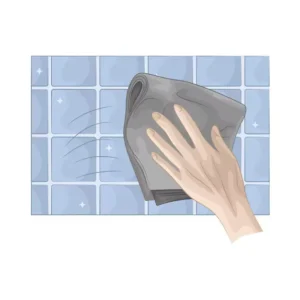
Introduction
Bathroom tiles are constantly exposed to water, soap, shampoo, and cleaning products, making them prone to stains, soap scum, mildew, and even stubborn grime over time. While tiles are durable and beautiful, their shine can fade quickly if not maintained properly.
You don’t need expensive equipment or harsh chemicals to keep your bathroom tiles clean. If you’re a homeowner in Surrey and wants to make your bathroom shine, you can opt for home cleaning services in Surrey, which will help you in maintaining your tiles regularly.
In this guide, we’ll walk you through simple and easy solutions for cleaning bathroom tiles, from everyday upkeep to deep cleaning. Whether you’re dealing with ceramic, porcelain, or natural stone tiles, these tips will help you restore their sparkle while protecting their surface for years to come. Clean tiles make your bathroom shining and sparkling.
Why Bathroom Tiles Need Regular Cleaning
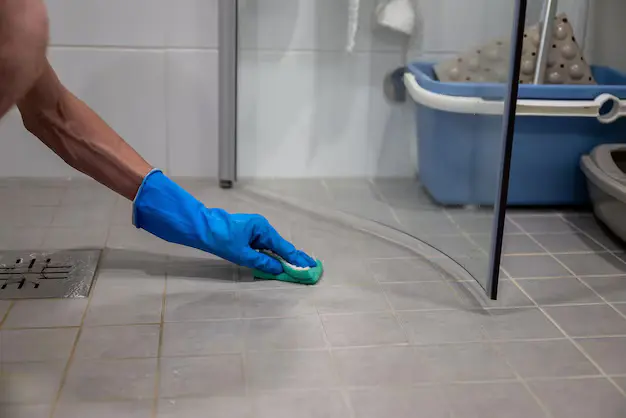
Bathroom tiles, especially in areas that are constantly exposed to water such as the shower, go through a lot of wear and tear. If left uncleaned, they don’t just lose their shine, they can also become a health hazard.
Moisture, soap, and minerals from water quickly build up on tile surfaces, creating a layer of soap scum and hard water stains. Over time, this makes tiles look dull, cloudy, and far less inviting. The grout lines between tiles are even more vulnerable. They act like a sponge, absorbing water and providing the perfect breeding ground for mold and mildew, which not only looks unpleasant but can also cause allergies and unpleasant odors.
Another important reason for regular cleaning is safety. Tiles that are coated with soap residue or mineral deposits can become slippery, increasing the risk of slips and falls, especially in shower areas. Plus, when bacteria and germs thrive in damp corners, it can compromise the hygiene of your entire bathroom.
Consistent cleaning routine ensures your tiles remain sparkling, safer to walk on, and more durable in the long run. In short, regular maintenance isn’t just about appearance—it’s about protecting your bathroom’s cleanliness, your family’s health, and the lifespan of your tiles.
Key Reasons to Clean Your Bathroom Tiles Regularly:
- Prevents soap scum and mineral buildup
- Stops mold and mildew growth in grout lines
- Maintains shine and freshness of tiles
- Reduces risk of slips and falls
- Keeps your bathroom hygienic and safe
- Extends the lifespan of tiles and grout
Know Your Tile Type Before Cleaning
Not all tiles are treated equal. The type of tile in your bathroom plays a big role in determining how you should clean it. Using the wrong cleaner or technique can leave permanent marks, scratches, or even weaken the protective finish of your tiles. That’s why it’s important to identify what kind of tile you have before getting started.
Ceramic Tiles
Ceramic tiles are among the most popular choices for bathrooms because they’re durable, affordable, and easy to maintain.
- Best cleaning approach: Regular sweeping or vacuuming removes dust and grit that could cause scratches. A mixture of warm water and mild dish soap works well for everyday cleaning.
- What to avoid: While ceramic tiles can handle mild abrasive cleaners and scrubbing pads, avoid harsh chemical cleaners that might damage the grout lines.
- Extra care tip: Apply a grout sealer once a year to protect against staining and moisture buildup.
Porcelain Tiles
Porcelain is denser and more water-resistant than ceramic, making it ideal for high-moisture areas like showers. However, this doesn’t mean it’s maintenance-free.
- Best cleaning approach: Use a soft-bristle brush or microfiber mop with a mild detergent. For stubborn stains, a mixture of baking soda and water can be applied gently.
- What to avoid: Stay away from steel wool, scouring pads, or abrasive powders. Even though porcelain is tough, its smooth glaze can scratch.
- Extra care tip: For polished porcelain, always dry the tiles after cleaning to avoid water spots and streaks.
Natural Stone Tiles (Marble, Granite, Slate, Travertine)
Natural stone tiles bring luxury and elegance to any home, but they require special care because they’re porous and sensitive to many household cleaners.
- Best cleaning approach: Use pH-neutral, stone-safe cleaners specifically designed for natural stone. A soft microfiber cloth or mop should be your go-to tool.
- What to avoid: Acidic cleaners like vinegar, lemon juice, or harsh bathroom cleaners those have hydrochloric acid in it can etch the surface, leaving dull marks that are often permanent.
- Extra care tip: Apply a stone sealer every 6–12 months to maintain shine, reduce staining, and add an extra layer of protection.
Tip: Always test your cleaner on a small hidden area before applying it to the entire surface.
Ceramic and porcelain tiles are commonly used in bathrooms for safety purposes as well.
Everyday Cleaning Routine for Bathroom Tiles
The key to sparkling bathroom tiles is consistency. When you stay on top of small daily and weekly habits, you’ll prevent stubborn soap scum, mildew, and hard water stains from forming in the first place. Here’s a simple routine you can follow:
Step 1: Rinse After Every Shower
After each shower, take a minute to rinse down the tiles, glass, and fixtures using the showerhead or a handheld sprayer, otherwise it can lead to orange stains in the shower. If you face this problem, don’t worry, check how to clean orange stains in the shower.
- Why it works: Rinsing washes away leftover soap, shampoo, and conditioner that would otherwise dry on the surface and form scum.
- Pro tip: Focus on corners and grout lines since that’s where residue tends to settle. Over time, this habit alone can reduce up to 80% of buildup.
Step 2: Wipe Down Surfaces
Moisture is the main culprit behind streaks, mold, and mildew. Keeping your tiles dry will go a long way in preserving their shine.
- How to do it: Use a microfiber cloth for a quick wipe-down, or a squeegee for larger tiled walls and shower doors.
- Why microfiber/squeegee: Microfiber absorbs moisture effectively without scratching, while squeegees are fast and efficient.
- Pro tip: Keep a small squeegee hanging in the shower so it’s always handy—this turns a “chore” into a quick habit.
Step 3: Use Mild Soapy Water Weekly
Even with daily rinsing and wiping, a gentle weekly cleaning keeps everything fresh and sanitary.
- How to do it: Fill a spray bottle or bucket with warm water and add a few drops of liquid dish soap. Dip a soft sponge or microfiber cloth into the mixture, then wipe tiles from top to bottom. Rinse thoroughly with clean water afterward.
- Why it works: Dish soap cuts through light grease and soap film without being too harsh, making it safe for most tile types (except natural stone, which needs stone-safe cleaners).
- Pro tip: Finish by drying the tiles with a clean microfiber towel to avoid water spots and streaks.
Bonus Tip: Ventilate the Bathroom
Good airflow prevents moisture buildup, which is the main trigger for mold and mildew.
- Simple fix: Turn on your exhaust fan for at least 20 minutes after showering, or crack open a window if possible.
How to clean Tiles in Bathroom – Steps to Deep Clean the Tiles
When your tiles look dull or stained, it’s time for a deep cleaning session.
What You’ll Need
- Bucket of warm water
- Soft-bristled brush or old toothbrush (for grout)
- pH-neutral tile cleaner or DIY solution
- Microfiber cloths
- Baking soda (for stains)
- Vinegar (for ceramic and porcelain only)
Step 1 – Remove Loose Dirt
Sweep or vacuum the bathroom floor tiles to get rid of hair, dust, and debris. This prevents scratching during scrubbing.
Step 2 – Apply Your Cleaner
For ceramic and porcelain tiles:
- Mix 1 part white vinegar with 3 parts warm water.
- Spray onto the tiles and let sit for 5–10 minutes.
For natural stone tiles:
- Use a stone-safe cleaner (pH-neutral) to avoid etching or discoloration.
Step 3 – Scrub the Surface
Use a soft-bristled brush to scrub gently. Avoid steel wool or harsh scrub pads as they can scratch the surface.
Step 4 – Rinse and Dry
Rinse thoroughly with warm water to remove cleaner residue, then dry with a microfiber towel to prevent water spots.
Removing Stubborn Stains from Bathroom Tiles
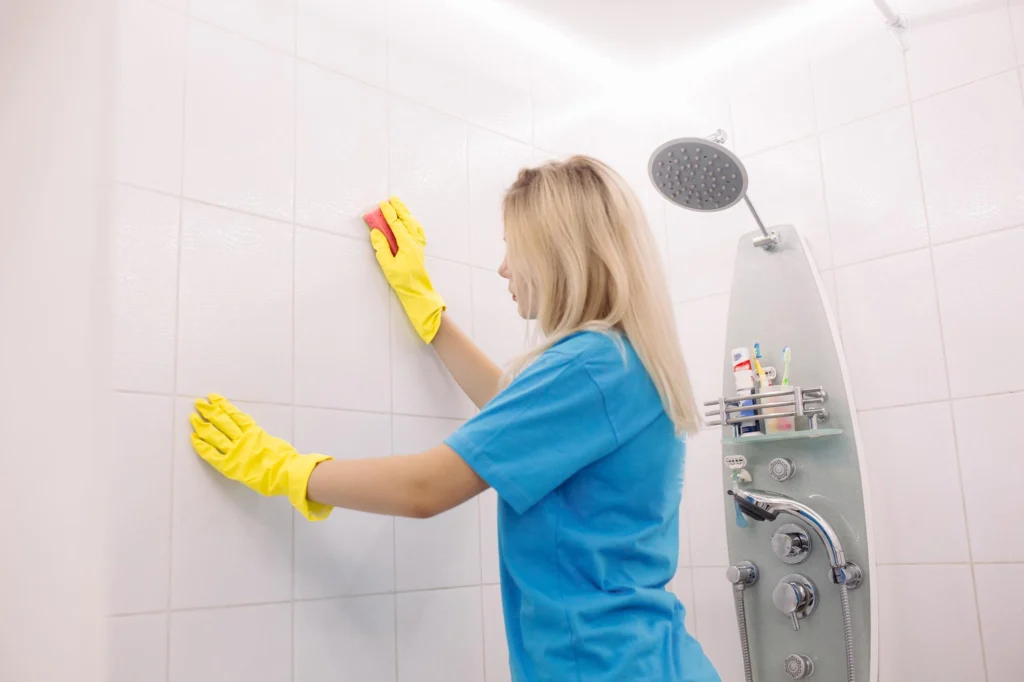
Some stains refuse to go away with regular cleaning. Here’s how to tackle them.
Soap Scum
- Make a paste of baking soda and water.
- Apply to the affected area and scrub with a damp sponge.
- Rinse and dry.
Hard Water Stains
- For ceramic/porcelain: Spray vinegar directly and let sit for 10 minutes before scrubbing.
- For natural stone: Use a commercial hard water remover designed for stone surfaces.
Mold and Mildew
- Mix 1 part bleach with 3 parts water (for non-stone tiles only).
- Apply to grout lines with an old toothbrush.
- Let sit for 5 minutes, then rinse well.
Cleaning Bathroom Tile Grout
Grout lines can make or break the look of your tiles. Dirty grout can make even clean tiles look grimy.
Everyday Grout Care
- Spray a 50/50 mix of vinegar and water (non-stone tiles) or use a pH-neutral cleaner.
- Wipe down weekly to prevent buildup.
Deep Cleaning Grout
- Apply a baking soda paste to grout lines.
- Spray lightly with vinegar (for ceramic/porcelain).
- Scrub with a toothbrush and rinse.
Seal the Grout
Once clean, apply a grout sealer every 6–12 months to protect against stains and moisture.
Eco-Friendly Bathroom Tile Cleaning Solutions
If you want to avoid harsh chemicals, these eco-friendly options work well:
- Baking Soda – Gentle abrasive for scrubbing.
- Vinegar – Cuts through soap scum (not for natural stone).
- Lemon Juice – Natural deodorizer (avoid on stone tiles).
- Castile Soap – Mild and biodegradable cleaner.
Mistakes to Avoid When Cleaning Bathroom Tiles
Even with the best intentions, it’s easy to damage your tiles or grout by using the wrong products or methods. Avoiding these common mistakes will keep your bathroom looking clean and extend the life of your tiles.
1. Using Bleach on Natural Stone
While bleach is a powerful disinfectant, it’s too harsh for natural stone tiles like marble, granite, or slate.
- Why it’s harmful: Bleach can strip away the protective sealant, cause discoloration, and leave dull spots that are often irreversible.
- Better alternative: Always use a pH-neutral, stone-safe cleaner for natural stone surfaces.
2. Scrubbing with Steel Wool or Abrasive Pads
It may be tempting to scrub away stubborn stains, but abrasive tools cause permanent scratches.
- Why it’s harmful: Scratches not only ruin the smooth finish but also create tiny grooves where dirt and soap scum collect.
- Better alternative: Use a soft sponge, microfiber cloth, or soft-bristle brush to lift stains without damaging the surface.
3. Mixing Vinegar with Bleach
Both vinegar and bleach are common cleaners, but mixing them is extremely dangerous.
- Why it’s harmful: The chemical reaction releases toxic chlorine gas, which can irritate your eyes, throat, and lungs.
- Better alternative: Use vinegar on its own for ceramic or porcelain tiles (never on natural stone), and keep bleach as a separate option only for disinfecting non-stone surfaces.
4. Leaving Tiles Wet
Water left sitting on tiles and grout may not seem harmful, but it encourages mold, mildew, and hard water stains.
- Why it’s harmful: Constant moisture weakens grout lines, leading to cracks and potential water damage behind the tiles.
- Better alternative: After cleaning—or even after every shower—wipe down tiles with a microfiber cloth or squeegee to remove excess water.
Pro Tip: Always read the label on your cleaning products and check if they’re safe for your tile type. A quick patch test on a hidden corner can save you from expensive damage later.
Preventing Dirt and Stains on Bathroom Tiles
Cleaning becomes easier if you stop buildup before it starts.
Ventilation Is Key
- Use an exhaust fan or keep the bathroom window open to reduce moisture.
Use a Squeegee
- Keep one in the shower and do a quick wipe after each use.
Apply a Tile Sealant
- Protects against stains and makes cleaning faster.
When to Call Professionals for Tile Cleaning
While daily upkeep and DIY methods go a long way in keeping your bathroom tiles looking fresh, there are times when calling in professionals like Mesh Maids makes all the difference. Our trained cleaners uses eco-friendly cleaning solutions to restore the shine of your tiles without the risk of damage. If you’re in Surrey, you should check the cost of a maid before hiring.
1. Stubborn Stains and Soap Scum
If your tiles still look cloudy or discolored after multiple cleanings, it’s a sign they need professional attention.
2. Damaged or Worn-Out Grout
Cracked, discolored, or crumbling grout not only looks unattractive but also weakens the structure of your tiles. Our team can clean, restore, and even reseal grout lines, extending their lifespan while improving appearance.
3. Natural Stone Tile Care
Marble, granite, and slate bring elegance to your bathroom but require specialized care. We restore the natural beauty of your stone tiles without causing etching or dullness.
4. Preparing for Special Occasions or a Move-Out
Sometimes, it’s about presentation. Whether you’re hosting important guests, staging your home for sale, or moving out, a professional cleaning from Mesh Maids ensures your bathroom looks spotless, polished, and ready to impress.
Pro-Tip: Even if your tiles look clean, contact us to schedule your deep cleaning. Keep them in top condition and save you hours of scrubbing in the long run.
Conclusion
Keeping bathroom tiles clean doesn’t have to be time-consuming or complicated. Through this guide, hope you get the answer of how to clean tiles in bathroom. For maintenance, follow simple daily routine, deep cleaning when necessary, and using the right cleaning products for your tile type, you can maintain their shine for years.
A quick rinse and wipe after every shower can save hours of scrubbing later. Whether you choose store-bought cleaners or eco-friendly DIY solutions, and consistency is the secret to spotless tiles.
So next time you see dull, stained tiles, you’ll know exactly how to bring them back to life — quickly, safely, and effectively. Book your appointment today with Mesh Maids for all your house cleaning needs.