
Introduction
Water stains on glass can be removed effectively by targeting the mineral deposits that are left by hard water (especially calcium and magnesium). We’ve been working in the cleaning industry for years, and we know that acidic solutions like white vinegar or lemon juice dissolve these minerals at a molecular level. For heavier buildup, you can use a baking soda paste that provides gentle abrasion that lifts stains without scratching the glass, while professional-grade glass cleaners are designed to safely break down stubborn residue.
With our experience in cleaning bathrooms, shower floors, cloudy mirrors, windows, and glass fixtures, we can say that technique matters just as much as the products. When you clean regularly with non-abrasive tools such as microfiber cloths and soft sponges, you protect the glass while restoring clarity. Furthermore, proper drying after each cleaning prevents new stains from settling.
If you’re someone dealing with the same, this guide holds everything that you need to look at. This guide walks you through proven methods we use every day as a professional cleaning team, from simple DIY solutions to expert-level techniques for tough water stains. By following this guide, you’ll know exactly how to remove existing stains and keep your glass surfaces spotless for the long term.
Understanding Water Stains on Glass
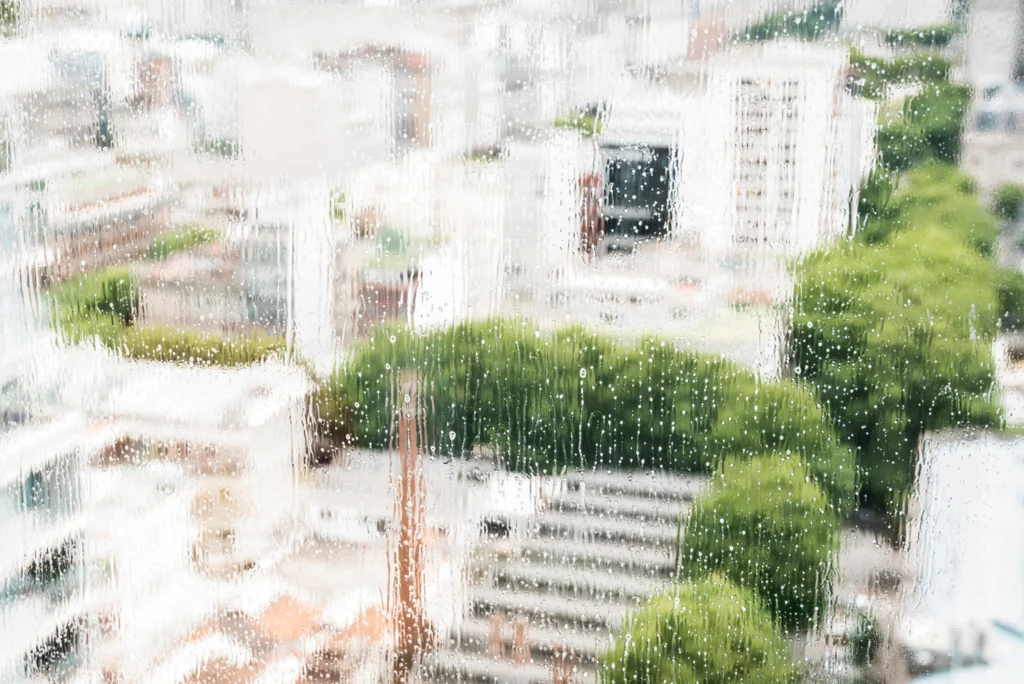
Before learning how to remove water stains from glass, it’s important to understand what actually causes them. Water stains are not surface dirt or poor cleaning—they are mineral deposits left behind when water evaporates. By cleaning thousands of homes in Canada, we’ve seen how these stains gradually build up and bond to glass surfaces, making them harder to remove over time if not treated.
What Causes Water Stains on Glass?
From the start, we are discussing that most water stains come from hard water, which contains high levels of minerals such as calcium and magnesium. Let’s get the insights on how they actually cause. When water splashes or settles on glass and then dries, these minerals do not evaporate with it. Instead, they remain on the surface and slowly adhere to the glass, creating visible spots, streaks, or cloudy patches. From our experience in cleaning bathrooms, windows, and other surfaces regularly, we know that repeated exposure without proper drying is one of the main reasons stains become permanent-looking.
Common sources of water stains include:
- Shower doors and bathroom mirrors that are exposed to daily moisture
- Windows affected by rain, sprinklers, or condensation
- Glass tabletops and drinkware left to air-dry
- Exposure to hard water and environmental residue
If you notice spots are returning quickly, it’s often a sign that hard water minerals are continuously settling on the glass.
Types of Water Stains on Glass
Not all water stains are the same, and identifying the type helps you choose the right removal method. From our knowledge and expertise, we advise treating these stains early to save time and prevent long-term glass damage.
Light Water Spots
Light water spots are fresh mineral deposits that appear as faint white marks or small dots. These stains usually form after recent water exposure and are much easier for you to remove using mild solutions and basic cleaning techniques.
Hard Water Stains
Hard water stains are older, more stubborn deposits that have bonded firmly to the glass. They often appear cloudy, chalky, or etched into the surface and require stronger cleaning solutions and a more methodical approach. From our experience, these stains develop when glass is left untreated for extended periods, especially in high-moisture areas like showers and windows.
At Mesh Maids, we believe understanding what kind of water stain you’re dealing with allows you to clean more effectively and avoid using products or methods that could damage the glass.
How to Remove Water Stains from Glass Naturally
Natural cleaning solutions are cost-effective, environmentally friendly, and highly effective for removing most water stains because they break down mineral deposits without relying on harsh chemicals. Removing water stains from glass naturally works best when you use ingredients that safely break down mineral buildup without harming the surface. Through years of hands-on cleaning, we’ve found that mild natural acids like white vinegar and lemon juice loosen calcium and magnesium deposits, while a baking soda paste helps lift tougher residue with gentle friction.
Vinegar Method (Most Effective)
White vinegar is one of the most effective natural solutions for removing water stains because it is acidic in nature and its properties break down mineral deposits left by hard water. Based on our expertise, this method works well for both light water spots and moderate hard water buildup on glass surfaces.
Steps to remove water stains from glass with Vinegar:
- Mix equal parts white vinegar and warm water.
- Spray the solution directly onto the glass surface.
- Allow it to sit for 5–10 minutes so the vinegar can loosen the mineral residue.
- Wipe gently using a microfiber cloth or soft sponge.
- Rinse with clean water and dry thoroughly to prevent new stains.
Tip: For stubborn or long-standing water stains, apply undiluted white vinegar and extend the resting time slightly before wiping.
Baking Soda Paste
This method is ideal for removing thicker mineral buildup where water stains have settled firmly on the glass. From our experience, baking soda works as a mild abrasive that lifts residue without damaging the surface when used correctly.
Steps to remove water stains from glass with Baking Soda:
- Mix baking soda with a small amount of water to create a smooth paste.
- Apply the paste directly to the stained area.
- Gently rub the surface using a soft cloth or sponge.
- Rinse thoroughly with clean water and dry completely.
Important: We always suggest our clients to avoid scrubbing aggressively, as excessive pressure can scratch the glass and dull its finish.
Lemon Juice Solution
Lemon juice is a natural alternative to vinegar that effectively breaks down mineral deposits while leaving behind a clean, fresh scent. Through our hands-on experience with glass surfaces over the years, we’ve found this method especially useful for light to moderate water stains in bathrooms and kitchens.
Steps to remove water stains from glass with Lemon juice:
- Apply fresh lemon juice directly to the stained area.
- Let it sit for about 10 minutes to loosen mineral residue.
- Wipe the surface clean using a damp cloth.
- Dry the glass completely to prevent new water spots from forming.
How to Remove Tough Hard Water Stains
When water stains have been left untreated for a long time, minerals can bond tightly to the glass, making them harder to remove with basic methods. From our expertise in handling heavily stained glass over years of professional cleaning work, we know that older hard water buildup often requires stronger techniques, more contact time, and a careful approach to fully restore clarity without damaging the surface.
Vinegar and Baking Soda Combination
The vinegar and baking soda combination is an effective method for removing stubborn hard water stains that have built up over time. This technique works by creating a mild chemical reaction that loosens tightly bonded mineral deposits, making them easier to lift from the glass. From our knowledge that we have gained through years of professional cleaning, we can say this approach is especially helpful when lighter methods no longer work, and you’re dealing with cloudy or chalky residue.
Steps to remove hard water stains with vinegar and baking soda:
- Spray white vinegar evenly over the glass surface to saturate the stained area.
- Lightly sprinkle baking soda onto the wet surface, allowing it to react with the vinegar.
- Let the mixture fizz for a few minutes so it can break down stubborn mineral buildup.
- Gently scrub using a microfiber cloth or soft sponge, applying light pressure.
- Rinse thoroughly with clean water and dry the glass completely to prevent new stains.
When you follow this method carefully, you can restore clarity to heavily stained glass without causing scratches. Based on our hands-on experience, patience and gentle technique are key to achieving professional-level results at home.
Commercial Hard Water Removers
When natural methods are no longer effective, commercial hard water removers can provide a stronger solution for removing heavy mineral deposits from glass. These products are specifically formulated to break down limescale and calcium buildup that has bonded deeply to the surface. As cleaning professionals, we know that targeted glass-safe removers—such as commercial lime scale removers (like CLR or Lime-A-Way) can restore the freshness when used correctly and carefully.
How to Use Safely:
- Always read the manufacturer’s instructions carefully before applying the product.
- Test the cleaner on a small, hidden area of the glass to ensure it does not cause damage.
- Use gloves and ensure proper ventilation while cleaning.
- Avoid products with harsh abrasives unless they are clearly labeled as safe for glass surfaces.
When you follow these safety steps, you can remove stubborn hard water stains effectively while protecting both your glass and your health.
From gentle natural cleaners to professional-grade solutions, each of these methods offers a reliable way to tackle water stains based on their severity. Whether you prefer the DIY approach of using vinegar and baking soda, the refreshing touch of lemon, or the quick efficiency of magic erasers and toothpaste, the key is choosing the right approach for your glass type and stain level.
How to Clean Specific Glass Surfaces (Glass Doors, Windows, Mirrors, and Glass Table Tops)
Different types of glass need slightly different care to stay clear and damage-free. As home cleaning experts, we’ve learned that using the right approach for each surface helps you remove water stains more effectively while preventing buildup from returning.
Shower Glass Doors
Shower glass is constantly exposed to moisture, making it one of the most common areas for hard water stains. When you clean weekly, you stop minerals from bonding to the glass. We suggest using a vinegar spray after showers, and squeegeeing the surface after each use helps you reduce residue before it has time to settle.
Windows and Mirrors
Windows and mirrors show streaks easily if they are not cleaned properly. Cleaning on cloudy days prevents quick evaporation that causes streaking. When you use microfiber cloths only and dry the surface immediately after washing, you get a clear, polished finish without leaving marks behind.
Glass Table Tops
Glass tabletops require a gentler approach, especially if the glass is coated or treated. We recommend avoiding acidic cleaners on coated surfaces and using mild dish soap for regular cleaning. Polishing with a dry microfiber cloth afterward helps you maintain shine while protecting the surface from scratches.
Best Products for Removing Hard Water Spots
When water stains are too stubborn for natural methods, the right commercial products can help you remove mineral buildup safely and efficiently. As house cleaning experts, we recommend choosing products designed specifically to dissolve calcium and limescale without damaging glass. Below are some of the most reliable options you can include in your routine, depending on the severity of the stains.
CLR – This product is highly effective at removing calcium, lime, and rust buildup from glass surfaces when stains are heavily set and difficult to remove.
Lime-A-Way – It is designed to dissolve tough hard water stains and mineral deposits quickly, making it suitable for older buildup.
Bar Keepers Friend – This cleaner offers a gentle yet powerful formula that is suitable for glass when used carefully and as directed.
Rain-X – It helps prevent future water spots by creating a protective, water-repellent coating on glass surfaces.
Seventh Generation – These plant-based, glass-safe cleaners are ideal for light hard water buildup and ongoing maintenance.
Using the right product for the right level of buildup helps you clean more effectively, protect your glass surfaces, and reduce how often hard water stains return.
Cleaning Hacks to Prevent Hard Water Stains on Glass
At Mesh Maids, we’ve learned that a few simple habits can make all the difference between an average clean and a professional-quality shine. Whether you’re cleaning shower doors, windows (inside or outside), or mirrors, these insider techniques will help you get that flawless, polished look with every clean.
Always Use Microfiber Cloths
If there’s one thing we always insist on, it’s using microfiber cloths for glass cleaning. Unlike paper towels or cotton rags, microfiber traps dust, dirt, and moisture instead of spreading them around. This not only helps prevent streaks but also gives your glass a smooth, polished finish without lint or scratches.
We often see homeowners make the mistake of using paper towels, which might seem convenient but tend to leave tiny fibers and smudges behind. Switching to a microfiber cloth instantly improves your results.
Wipe in One Direction
This might sound simple, but it’s one of the most effective professional tricks. When cleaning glass, wiping in one consistent direction—rather than back and forth—reduces smudging and helps you spot any missed areas easily.
- For windows: Wipe vertically from top to bottom.
- For mirrors: Wipe horizontally across the surface.
To clean the windows from the outside, you can check the best window cleaners for outside windows for the best results.
At Mesh Maids, we use this method to make your bathroom smells amazing and make your bathroom shining for a long-lasting period. You should also try it once, and you’ll see how much neater your glass looks compared to random wiping patterns.
Avoid Cleaning Glass in Direct Sunlight
This is one of those lesser-known tips. When you clean glass under direct sunlight, the heat causes your cleaning solution to dry too quickly, often before you’ve had time to wipe it off. This leads to streaks and uneven marks that can be frustrating to remove. We recommend cleaning your glass in the early morning or late evening, when the sun isn’t shining directly on the surface. The cooler temperature allows the cleaner to work longer, giving you enough time to achieve a spotless, even finish.
Use a Squeegee for Large Surfaces
For big glass surfaces like shower doors, patio windows, or glass partitions, a squeegee is a must-have tool. Professionals, including our team at Mesh Maids, use this hack because it removes water quickly and efficiently, preventing streaks and water spots from forming as the glass dries.
Dry the Edges Last
The edges of glass surfaces, especially windows and mirrors, tend to collect the most moisture. This leftover water can drip or spread, leaving behind small streaks after you’ve already finished cleaning the main surface. We always finish by drying the edges last using the corner of a clean microfiber cloth. It’s a small detail that is very helpful.
With these professional tips, you can enhance your glass cleaning routine and achieve the same shine that our cleaning teams deliver. Consistency, the right tools, and a bit of technique go a long way in turning every cleaning session into a satisfying one.
How to Keep Water Stains from Returning: Prevention Tips
At Mesh Maids, we’ve learned that a few simple, consistent habits can save you hours of scrubbing later. By preventing mineral buildup before it starts, your glass stays clearer, brighter, and easier to maintain over time. Here are some of our top professional tips to keep your glass surfaces spotless.
Use a Daily Shower Spray
It is one of the easiest ways to prevent stains is by using a daily shower spray. A simple homemade mix of equal parts vinegar and water can stop mineral deposits and soap scum from forming on shower doors. You can also use a store-bought shower spray if you prefer a ready-made solution with a fresh scent.
Just spray the glass after every shower. This quick, 10-second habit can make a huge difference in keeping your glass crystal clear without constant deep cleaning.
Install a Water Softener
If your home has hard water, mineral buildup is inevitable. Installing a water softener system can significantly reduce the calcium and magnesium in your water, which are the main culprits behind those white chalky spots.
Many of our clients in areas with hard water have noticed that after installing a softener, their glass stays cleaner for longer, and cleaning time is cut in half. It’s an investment that pays off, not just for your glass, but for your faucets, tiles, and appliances too.
Keep a Squeegee in the Bathroom
A simple squeegee can be your best tool against water stains. After every shower, take a few seconds to run the squeegee over your glass door to remove excess water. This prevents minerals from drying and sticking to the surface.
At Mesh Maids, we often tell homeowners that this one habit alone can prevent up to 90% of future water stains. Hang the squeegee near your shower for convenience.
Apply Rain-Repellent Products
Here’s a pro secret we love sharing: rain-repellent products work wonders on shower glass. You can use water repellents, like Rain-X, which can be safely used on shower doors or exterior glass. They make water dry up easily and slide off instead of drying into spots.
By repelling moisture, these products not only reduce water stains but also make your weekly cleaning sessions much easier. Apply the repellent every few weeks for the best results. It’s a clever trick that keeps your shower doors shining longer.
When to Call a Professional
Sometimes, no matter how careful you clean, water stains are evident. Consider hiring professionals like Mesh Maids can will be the best option. Our expert cleaning services include:
- Mineral removal to tackle hard water stains at the source
- Glass polishing for that mirror-like finish
- Hard water treatment to help slow down future buildup
Professional cleaning services like Mesh Maids provide services such as deep cleaning. At Mesh Maids, we believe prevention is the secret to a truly sparkling home. If you face any issue while cleaning your home, do not hesitate to contact us.
Conclusion: Clear Glass, No More Spots
Hard water spots may dull your beautiful glass. With simple vinegar, baking soda, a squeegee, and a little elbow grease, you can restore sparkle to shower door, mirrors, and windows and keep them looking bright for years.
Wipe down glass surfaces daily, address small stains before they become permanent, and don’t let mineral buildup take over your home’s sparkle. To make the glass spotless only deep cleaning once in a year is not the only solution. Consistency is the key.
Feeling overwhelmed or short on time? Book your professional cleaning with Mesh Maids today and enjoy spotless home.