Introduction
When we think about house cleaning, we often focus on floors, countertops, or bathrooms. But there’s one major thing that we often forgot to clean – the walls. Over time, the walls accumulate dust, grease, fingerprints, pet dander, and even mold spores. Regular dusting can help, but for a deeper clean, steam cleaning offers an efficient and chemical-free solution.
Steam cleaning is safe for most wall types when done correctly. It’s eco-friendly, doesn’t involve harsh chemicals, and kills bacteria, viruses, and allergens using just water and heat.
In this blog, we’ll walk you through how to steam clean walls safely, step by step. From preparing your space to choosing the right tools and finishing up like a pro, this complete guide is everything you need to refresh your walls and elevate your home’s hygiene with the best house cleaning guide. For residents of West Vancouver, those who rely on professional help, choosing Mesh Maid’s maid services in West Vancouver is a great option. This not only complements your cleaning efforts but also leaves your home refreshed.
What is Steam Cleaning?
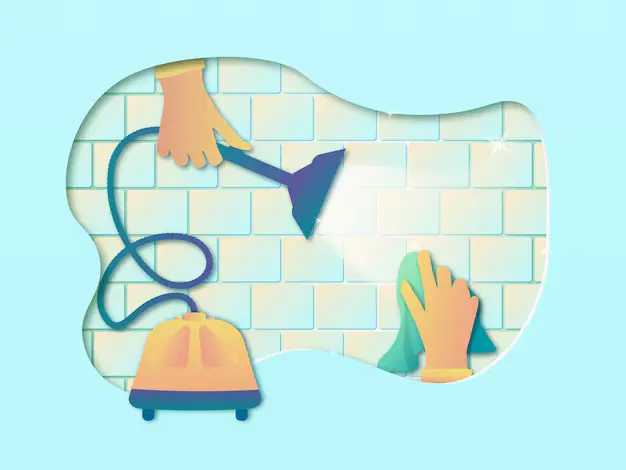
Steam cleaning is a cleaning method that uses high-temperature vapor to deep clean, sanitize, and refresh surfaces—without relying on harsh chemicals. A steam cleaner heats water until it turns into pressurized steam, which is then directed through a nozzle, brush, or cleaning pad.
When this hot vapor comes into contact with a surface, it loosens stubborn dirt, dissolves grease, and lifts stains. The heat also kills bacteria, viruses, dust mites, and even mold spores, making it a powerful solution for both cleaning and disinfecting.
Steam cleaning works on a variety of surfaces, including:
- Hard floors and tiles – Removes grime from grout lines and surface build-up.
- Upholstery and carpets – Refreshes fabrics while eliminating odors and allergens.
- Windows and mirrors – Leaves a streak-free shine without chemical cleaners.
- Walls and ceilings – Removes dust, grease, and stains while sanitizing the surface.
Because it uses only water, steam cleaning is eco-friendly, safe for kids and pets, and leaves no chemical residue behind. It’s an ideal choice for households looking for a deep, chemical-free clean that not only improves appearance but also enhances hygiene.
Why Steam Clean Walls is Necessary?
Walls are often the most overlooked part of home cleaning routines. While we focus on floors, windows, and furniture, our walls silently collect an amount of dust, dirt, and unseen contaminants. Over time, everyday activities like cooking and, even just walking around may leave behind a layer of build-up that can dull the look of your walls and affect indoor air quality.
Steam cleaning offers a powerful, eco-friendly solution to this hidden problem. Unlike traditional methods that rely on chemical cleaners and elbow grease, steam cleaning uses high-temperature vapor to loosen dirt, dissolve grease, and kill germs without leaving behind residues.
Here’s why it’s worth making steam cleaning part of your wall maintenance:
Removes Deep-Seated Dirt and Stains
Paint, wallpaper, or tiles can trap tiny particles of dust, cooking oils, and even small stains. Steam penetrates these layers, breaking down grime that regular wiping can’t reach.
Kills Germs, Bacteria, and Mold Naturally
The heat from the steam eliminates bacteria, viruses, and mold spores without toxic chemicals. This is particularly beneficial for households with kids, pets, or allergy sufferers.
Improves Indoor Air Quality
Dust mites, pet dander, and pollen clinging to walls contribute to poor air quality. Steam cleaning improves indoor air quality by removing these allergens, making your home healthier to breathe in.
Prevents Long-Term Damage
Moisture from spills or high humidity can lead to mold growth on walls. Steam cleaning not only kills existing spores but also removes the residue mold feeds on, helping prevent future outbreaks.
Eco-Friendly and Safe
Because steam cleaning uses only water, it eliminates the need for harsh chemicals that can irritate skin, eyes, and lungs, making it safe for children and pets.
Restores Aesthetic Appeal
Over time, walls can look dull and lifeless. Steam cleaning revives paint colors, brightens tiles, and removes marks, giving your space a fresh, well-maintained look.
Steam cleaning walls is not just about making them look cleaner, it is effective as well. But while it’s effective, steam cleaning walls requires careful handling, especially with painted, wallpapered, or delicate surfaces. Whether you’re doing seasonal deep cleaning like spring cleaning, post-renovation maintenance, or just refreshing your interiors, steam cleaning requires gentle care ensuring your walls are truly clean from the surface down to the pores.
Steam Clean Walls: Understanding Wall Types and Their Steam Compatibility
Before you point a steam cleaner at your walls, it’s essential to understand what kind of surface you’re working with. Steam is powerful, it loosens dirt, grease, and even kills bacteria but it can also damage certain wall materials if not used correctly.
Below is a detailed guide to common wall types, how they react to steam, and tips to identify and protect them.
1. Painted Drywall
Drywall is one of the most common wall materials in homes. It’s made of gypsum plaster sandwiched between paper layers, then painted.
Common Finishes:
- Matte: No shine, smooth look, but more porous.
- Eggshell: Slight sheen, easier to clean than matte.
- Semi-gloss: Noticeable shine, more moisture-resistant.
- Gloss: Very shiny, best moisture resistance among paints.
Steam Compatibility:
- Matte & Eggshell: Use extreme caution. These finishes absorb moisture more easily, which can cause the paint to bubble or leave water marks if the steam is too close.
- Semi-gloss & Gloss: Safer for steam cleaning. These finishes have a protective layer that resists moisture, making them less prone to damage.
Tip: Always keep the steam nozzle a few inches away and use quick passes rather than holding it in one spot.
2. Textured Walls
Textured finishes are designed to add visual interest but can be tricky to clean because dirt hides in crevices.
Common Textures:
- Popcorn: Bumpy, cottage cheese-like finish.
- Orange Peel: Soft, dimpled surface like orange skin.
- Knockdown: Flattened texture with a mottled look.
Steam Compatibility:
- Popcorn: Avoid steam cleaning, moisture can loosen the texture and cause it to crumble.
- Orange Peel & Knockdown: Use light steam from a distance. The texture can trap water, so don’t oversaturate.
Tip: For heavily textured walls, steam a microfiber cloth and wipe instead of steaming directly.
3. Tile Walls
Tiles are durable and often found in bathrooms, kitchens, or laundry areas.
Types of Tile:
- Ceramic
- Porcelain
- Glass
Steam Compatibility:
Steam cleaning works great on all tile types. It can penetrate grout lines, removing dirt and killing mold spores without harsh chemicals.
Tip: Focus on grout cleaning but avoid prolonged steam on cracked tiles—moisture can seep behind them.
4. Wood Paneling
Wood brings warmth to interiors but reacts strongly to moisture.
Types of Wood Paneling:
- Sealed: Coated with varnish, polyurethane, or paint for moisture resistance.
- Unsealed: Bare wood with no protective coating.
Steam Compatibility:
- Sealed: Light steam only. Too much moisture can cause warping.
- Unsealed: Avoid steam—wood fibers will swell and stain.
Tip: Always dry the wood immediately after steaming to prevent moisture damage.
5. Brick and Stone Walls
These materials are durable but porous, meaning they can absorb water and trap it inside.
Types:
- Natural Stone: Marble, granite, limestone.
- Manufactured Brick/Stone Veneer
Steam Compatibility:
Steam can clean surface dirt and kill mold, especially in mortar joints.
Avoid prolonged steaming in freezing climates—trapped moisture could freeze and damage the wall.
Tip: Use a brush attachment to lift dirt from textured surfaces.
How to Identify Your Wall Finish Before Steam Cleaning
If you’re unsure about your wall type:
- Look closely: Shiny walls are usually semi-gloss or gloss paint; dull walls are likely matte or eggshell.
- Feel the surface: Smooth = painted drywall; bumpy or rough = textured finish or stone.
- Tap it: Hollow sound = drywall; solid sound = tile, wood, or brick.
Check an inconspicuous spot: Test with a damp cloth—if the color lifts or the wall softens, avoid steam.
By identifying your wall will be easy for you to steam clean your wall.
How to Steam Clean Walls Safely: Step-by-Step Guide
Here’s your complete step by step guide:
What You’ll Need Before You Begin
Essential Tools:
- Steam cleaner with adjustable steam settings
- Microfiber cloths or steam mop pads
- Extension wand (for high walls and ceilings)
- Clean, distilled water (prevents mineral buildup in machine)
- A step ladder (for tall walls or corners)
Optional but Helpful:
- Vacuum cleaner or duster (for pre-cleaning)
- Painter’s tape (to protect baseboards or outlets)
- Drop cloths (to protect floors and furniture)
Step 1: Prep the Room
Before steam ever touches the wall, prepare your space for safe and effective cleaning.
- Move furniture away from the walls.
- Cover floors and nearby items with drop cloths.
- Remove wall hangings, art, mirrors, and décor.
- Use painter’s tape to seal outlets, switches, and baseboards.
Safety Tip: Never aim steam directly at electrical outlets. Tape them up and stay a safe distance away.
Step 2: Dust and Dry Clean First
Before steam cleaning, remove dry dust, cobwebs, and surface debris using:
- A vacuum cleaner with a brush attachment
- A microfiber duster
- A soft, dry cloth
This helps the steam cleaner work more effectively and prevents muddy streaks.
Step 3: Test a Small Spot
Always test your steam cleaner on a small, hidden area of the wall first.
- Hold the steam nozzle about 6–12 inches from the surface.
- Use short bursts on a low or medium steam setting.
- Wait a few minutes to check for any damage, paint bubbling, or discoloration.
Pro Tip: Flat and matte paints may be more sensitive than semi-gloss or glossy finishes.
Step 4: Start Steam Cleaning the Walls
Once your test spot is safe, you can begin cleaning section by section.
- Start at the top of the wall and work your way down.
- Use long vertical strokes to avoid water dripping and streaking.
- Wipe each section with a microfiber cloth or steam mop pad as you go to lift away loosened dirt.
- Don’t oversaturate the wall—keep the steam moving to avoid soaking any one spot.
Bonus Tip: For stubborn spots or greasy kitchen walls, use a soft brush attachment with a microfiber pad.
Step 5: Pay Attention to Corners and Edges
Corners, trim, and baseboards can collect hidden grime and cobwebs.
- Switch to a detailing nozzle or smaller brush head for these tight areas.
- Gently steam-clean along edges, wiping with a clean cloth immediately after.
Step 6: Allow Walls to Dry
Once you’ve finished steaming:
- Open windows or turn on a fan to improve air circulation.
- Let the walls air dry for at least 30–60 minutes.
- Avoid rehanging décor until completely dry.
This step is especially important if your walls are painted or textured.
By following these steps, you’ll ensure your walls are cleaned safely, thoroughly, and without damage. Steam cleaning not only restores their fresh, bright appearance but also eliminates all the hidden allergens and bacteria, leaving your home more inviting. With the right preparation and technique, you can enjoy spotless walls that look like new even without using harsh chemicals.
Where to Use Steam Cleaning in Your Home
Steam clean walls is not just about aesthetics, it’s about maintaining a healthier living environment for your family. Certain areas of your home naturally collect more dirt, grease, or moisture than others, making them perfect candidates for a deep steam clean. Here’s where you’ll see the biggest benefits:
1. Kitchen
The kitchen is one of the messiest areas in any home. Over time, walls here can accumulate:
- Grease splatters from cooking
- Cooking fumes that settle into paint or tile grout
- Food stains from spills and prep work
Steam cleaning in the kitchen can:
- Dissolve stubborn grease without needing harsh chemical degreasers.
- Remove sticky residue from near stoves, ovens, and countertops.
- Sanitize surfaces to help reduce cross-contamination from food handling.
Pro Tip: Use a steam cleaner with a microfiber pad to lift grease without spreading it, and always wipe the wall immediately after steaming to prevent any residue from resettling. Steam cleaning is one of the best ways to keep the kitchen clean.
2. Bathroom
Bathrooms are breeding grounds for mold, mildew, and soap scum, especially in humid corners or areas near showers and tubs. The walls here often trap:
- Moisture that leads to mold on bathroom ceiling
- Residue from shampoos, body wash, and cleaning products
- Water spots and mineral deposits
Steam cleaning in the bathroom can:
- Kill mold spores and mildew at the root.
- Loosen soap scum and mineral buildup from painted or tiled walls.
- Refresh grout lines without toxic chemicals.
Pro Tip: Focus on high-moisture areas like behind the toilet, around the bathroom sink backsplash, and your shower floor surrounds for maximum impact. Keep these points in mind to make your bathroom always smells amazing.
3. Entryways & Hallways
Your home’s entryway and connecting hallways are high-traffic areas where walls quickly pick up:
- Fingerprints from opening and closing doors
- Scuff marks from bags, shoes, or coats brushing past
- Dust and airborne debris from outside
Steam cleaning in these zones can:
- Erase marks without damaging the paint.
- Sanitize surfaces during flu season or after gatherings.
- Make walls look freshly painted by lifting dirt embedded in texture or grooves.
Pro Tip: Start steaming from the bottom up in these areas to ensure you catch scuffs and dust that settle low on the walls.
4. Children’s Rooms
Kids’ bedrooms and playrooms are hotspots for:
- Crayon marks or marker stains
- Sticky fingerprints from snacks
- Pet hair or dander (if pets are there)
Steam cleaning in children’s areas is especially helpful because it’s chemical-free and safe for sensitive little lungs and skin. It can:
- Remove stubborn stains without using bleach or harsh products.
- Sanitize after colds, flu, or allergy season.
- Deodorize walls that may have absorbed smells from food or craft materials.
Pro Tip: For stubborn art marks, attach a gentle brush head and work in short bursts to avoid damaging the paint finish.
Steam Cleaning Walls: What Walls Should “NOT” Be Steam Cleaned?
While steam cleaning is a safe and effective method for many wall types, it’s not suitable for every surface. The combination of heat and moisture can cause irreversible damage to certain materials, so knowing when not to steam clean is just as important as knowing how to do it.
Avoid Steam Cleaning These Wall Types:
Wallpapered Walls – Steam can weaken the adhesive, causing wallpaper to peel, bubble, or warp. Even vinyl-coated wallpapers may suffer damage from prolonged exposure to heat and moisture.
Walls with Fresh Paint – Fresh paint needs time to fully cure. Using steam too soon (within the first 30 days) can cause bubbling, streaking, or uneven finishes.
Damaged Drywall – If your drywall has cracks, holes, or water damage, steam can worsen the problem by softening the material and encouraging mold growth.
Delicate or Unfinished Wood Paneling – Heat and moisture can warp, discolor, or crack untreated or lightly finished wood surfaces.
Pro Tip: If you’re unsure about your wall type, test a small, hidden section first or consult your paint supplier, wall manufacturer, or a professional cleaning service. Taking this extra step ensures you protect your walls while still achieving a deep, chemical-free clean where it’s safe to do so.
Maintenance Tips After Steam Clean Walls
Keeping your walls fresh and clean doesn’t have to be a big task. With a few simple habits, you can extend the results of your steam cleaning and maintain a healthy home environment.
Dust Regularly – Use a microfiber duster or vacuum with a brush attachment to remove dust and cobwebs from walls once a week. This prevents buildup and keeps surfaces looking bright.
Spot Clean Immediately – Tackle smudges, fingerprints, or splatters with a soft damp cloth as soon as you notice them. Quick action prevents stains from setting in.
Schedule Periodic Steam Cleaning – For most homes, a full steam cleaning every 3–6 months is enough to keep walls looking fresh. In allergy-prone households, more frequent cleaning can help improve air quality by removing allergens and dust mites.
Pair with Baseboard Cleaning – Walls and baseboards often collect dirt at the same time. Steam cleaning both together ensures a complete, polished look.
Maintaining clean walls is much easier than restoring them after years of neglect. A consistent routine means less work over time and a home that always feels fresh and welcoming.
When to Call in the Professionals
While steam clean walls can be a satisfying DIY remedy, there are situations where bringing in experts is the safest and most effective choice. Professional cleaners have specialized equipment, the right attachments, and the expertise to handle different wall materials without causing damage.
Call in the pros if:
You have high or hard-to-reach walls – Professionals have ladders, scaffolding, and extension tools to safely clean tall spaces without risking injury.
Your walls are heavily stained or soiled – Stubborn grease, nicotine stains, or years of buildup may require commercial-grade steamers for a deep, even clean.
The wall material is delicate or unknown – Unsure if your paint, paneling, or finish can handle steam? A professional will know the right method to use.
You have mold or mildew concerns – Professionals can safely remove mold while preventing it from spreading to other areas.
And if you’re in need of deep cleaning services, contact us for all your house cleaning needs. Whether you are in White Rock, Langley, and nearby areas, Mesh Maids is always there to give your home a fresh vibe.
Conclusion: Clean Wall Means a Cleaner Home
Steam cleaning walls might not be part of your regular home cleaning routine, but it’s one of the most efficient ways to refresh your home. It removes deep grime, kills germs, and makes painted or tiled walls a new look without using harsh chemicals.
When done safely and correctly, steam cleaning is a fast, eco-friendly, and affordable way to maintain cleaner air and cleaner surfaces, especially in homes with pets, children, or allergy concerns.
Every home deserves to sparkle from floor to ceiling. Whether you’re tackling steam clean walls on your own or calling in professional help, this guide ensures your walls are cleaned the safe and effective way. Book your appointment with Mesh Maids and make your home sparkle.