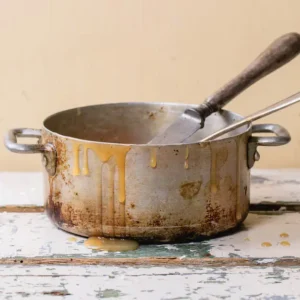
A burnt stainless steel pot is one of the most common kitchen concerns that many people face. If you are searching for how to clean a burnt stainless steel pot, you are in the right place. A simple and safe method to clean your burnt stainless steel pot is to fill the pot with water, add a small amount of dish soap or baking soda, bring it to a gentle boil, and then allow the loosened residue to be wiped away with a soft sponge after it cools. In this way, you can effectively remove stubborn burnt buildup. At Mesh Maids, our professional cleaning team handles tough kitchen messes in homes every day and knows that restoring its shine depends on using the right cleaning techniques rather than aggressive scrubbing.
Over the years, we have helped countless homeowners in protecting their cookware while maintaining clean, hygienic kitchens. Burnt stains, carbon buildup, and heat discoloration are not just cosmetic issues; they often result from improper cleaning methods, which can shorten your pot’s lifespan. Many homeowners try aggressive products without realizing they can dull the finish or cause permanent scratches. Our expert approach focuses on proven methods that are gentle, practical, and suitable for every home.
In this guide, we share the same professional insights we use when assisting our clients during routine and deep kitchen cleanings. You will discover reliable, step-by-step solutions using ingredients you already have, along with expert tips to prevent future burning. By following these proven methods, you can clean and protect your cookware and achieve results that reflect the standards of a professional cleaning service—right in your own way.
Why Stainless Steel Pots Get Burnt So Easily
Before learning how to clean a burnt stainless steel pot, it is important to understand why stainless steel cookware burns so easily.
Stainless steel is designed to heat rapidly and retain heat efficiently. While this makes it excellent for cooking, it also means that food can burn faster if the temperature is not controlled properly. Unlike non-stick cookware, stainless steel does not have a protective coating, so food particles bond directly to the surface when exposed to excessive heat. When this happens, burnt residue clings tightly to the metal, which makes regular dish soap and quick rinsing ineffective.
Common Causes of Burnt Stainless Steel Pots
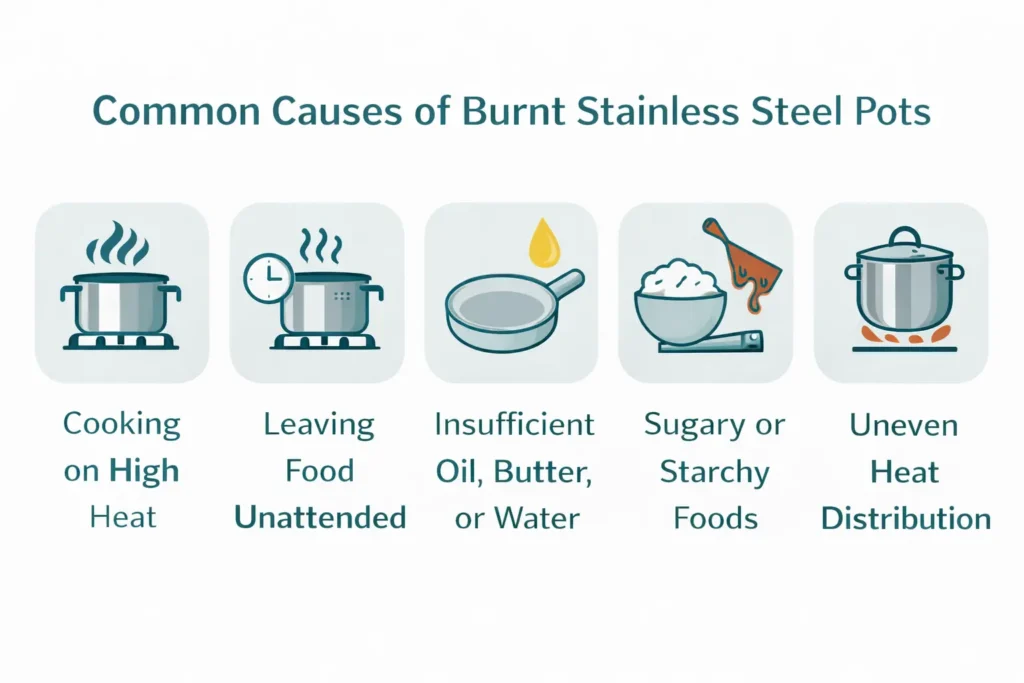
Based on what we see while cleaning kitchens for our clients, several everyday habits contribute to burnt stainless steel pots:
- Cooking on high heat for extended periods, which causes food to burn before it has time to cook evenly
- Leaving food unattended on the stove, even for a short time, allowing heat to build up rapidly
- Using insufficient oil, butter, or water, which prevents food from releasing easily from the surface
- Cooking sugary or starchy foods, such as sauces, rice, or pasta, which caramelize and stick quickly
- Uneven heat distribution from certain burners, leading to localized burning at the base of the pot
When food burns, it forms a hardened layer that bonds firmly to the stainless steel surface. From our professional experience and cleaning homes year after year, we know this is why traditional cleaning methods often fail. And scrubbing harder usually makes the situation worse by scratching the metal rather than lifting the burnt residue.
If you understand these causes well, this will help you clean more effectively and, more importantly, it can prevent future burning. In the next sections, we will guide you through proven cleaning methods that we regularly rely on or guide our clients to clean a burnt stainless steel pot. These methods are safe, practical, and deliver the best results.
Best Methods to Clean a Burnt Stainless Steel Pot
Over the years, while cleaning kitchens for our clients, we have tested and relied on several safe and effective techniques to remove burnt residue from stainless steel cookware. The key is choosing the right method based on the severity of the burn. Some stains require gentle treatment, while others need more time and heat to loosen the buildup. Below, we begin with one of the most reliable and beginner-friendly solutions.
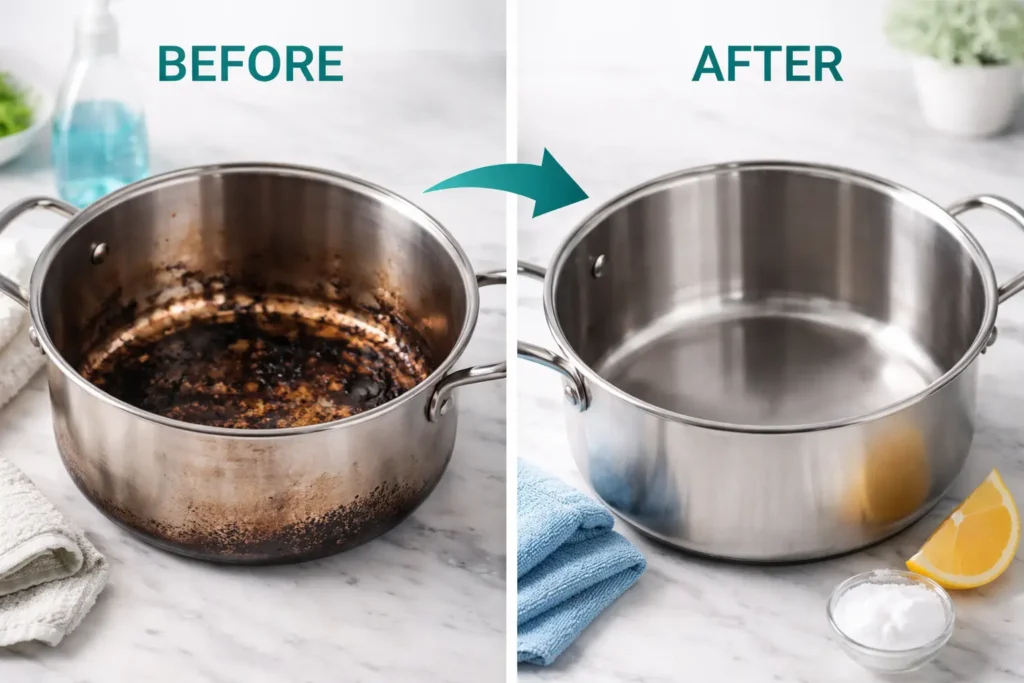
Method 1: Baking Soda and Water (Best for Mild to Moderate Burns)
Baking soda is one of the safest and most effective ingredients for cleaning stainless steel pots. We often recommend this method because it uses a common household product that delivers consistent results without damaging the surface. If you are dealing with cooking accidents daily, this approach is usually enough to restore your pot’s appearance.
Why Baking Soda Works
Baking soda is effective because it breaks down burnt residue without being harsh on stainless steel. From our professional experience, we can say that it offers several important benefits:
- It is mildly abrasive but non-scratching, making it safe for delicate surfaces
- It loosens burnt-on food, allowing residue to lift easily during scrubbing
- It neutralizes lingering odors, especially from burnt sauces or oils
- It is safe for stainless steel surfaces, even with repeated use
Step-by-Step Instructions to Clean a Stainless Steel Pot with Baking Soda and Water
Follow these steps carefully to achieve the best results:
- Sprinkle a generous layer of baking soda over the burnt area at the bottom of the pot.
- Add enough warm water to create a thick paste or a shallow liquid that covers the stains.
- Place the pot on the stove and allow the mixture to simmer gently for 10–15 minutes.
- Turn off the heat and let the pot cool slightly to avoid burns while handling.
- Gently scrub the surface using a soft sponge or a nylon brush, focusing on burnt areas.
- Rinse thoroughly with clean water and dry the pot with a soft, clean cloth.
We have found that patience during the simmering stage significantly improves results and reduces the need for aggressive scrubbing.
Best Situation to use Baking Soda
This method works best in the following situations:
- Light burn marks caused by brief overheating
- Food residue stuck to the bottom of the pot
- Everyday cooking accidents where food was slightly overcooked
For many of our clients, this is the first method we suggest because it is simple, affordable, and highly effective when used correctly.
Method 2: Vinegar and Baking Soda (Best for Tough Burn Marks)
When baking soda alone is not enough to remove stubborn burn marks, adding vinegar can significantly increase the cleaning power. Through years of cleaning kitchens, we have found this method especially effective for pots with darkened bottoms and long-standing stains. The combination of heat, acidity, and gentle abrasion works together to loosen burnt residue without harming stainless steel.
Why Vinegar Helps
Vinegar plays a key role in breaking down tough buildup that resists regular cleaning. From our experience, it offers the following benefits:
- Breaks down mineral deposits caused by hard water and repeated heating
- Loosens carbonized food, making it easier to lift during scrubbing
- Restores shine to stainless steel, which improves the overall appearance of the pot
Step-by-Step Instructions to Clean a Stainless Steel Pot with a Combination of Vinegar and Baking Soda
Follow these steps carefully for safe and effective cleaning:
- Pour equal parts white vinegar and water into the pot, ensuring the burnt area is fully covered.
- Place the pot on the stove and bring the mixture to a gentle boil for 5–10 minutes.
- Remove the pot from heat and carefully add 2–3 tablespoons of baking soda.
- Allow the solution to fizz and cool as it loosens the burnt residue.
- Gently scrub the surface using a soft sponge, focusing on heavily stained areas.
- Rinse thoroughly with clean water and dry the pot immediately with a soft cloth.
We recommend drying the pot right away to prevent water spots and preserve the stainless steel finish.
Important Tip: Always add baking soda after removing the pot from heat. Adding it while boiling can cause excessive bubbling and splashing, which may be unsafe and messy.
Best Situation to Use the Combination of Vinegar and Baking Soda
This method is most effective for:
- Heavy burn marks that do not respond to gentle cleaning
- Blackened pot bottoms caused by prolonged high heat
- Long-standing stains that have built up over time
Many of our clients see noticeable improvement after just one application of this method, making it a reliable next step when lighter cleaning techniques fall short.
Method 3: Dish Soap and Dryer Sheet (Surprisingly Effective for Stubborn Residue)
This method may sound unusual, but through hands-on experience cleaning kitchens for our clients, we have found it to be surprisingly effective—especially when you want results with minimal scrubbing. It relies on soaking rather than force, making it a practical option for those who prefer a gentle and low-effort approach to cleaning burnt stainless steel pots.
Why This Method Works
The success of this technique lies in how the ingredients interact with burnt residue. From our professional experience, here is why it works so well:
- Dryer sheets reduce surface tension, helping loosen burnt food from the stainless steel surface
- Dish soap helps lift grease and burnt particles, breaking down stubborn buildup
- It requires very little physical effort, reducing the need for aggressive scrubbing
This method is particularly useful when burnt residue has had time to harden and bond to the pot.
Step-by-Step Instructions to Clean a Stainless Steel Pot with Dish Soap and Dryer Sheet
Follow these steps for best results:
- Fill the burnt pot with warm water, ensuring the stained areas are fully submerged.
- Add a few drops of dish soap and mix gently.
- Place one dryer sheet into the soapy water.
- Allow the pot to soak for 1–2 hours, or overnight if the burn marks are severe.
- Remove the dryer sheet and gently scrub the surface using a soft sponge.
- Rinse thoroughly with clean water to remove all residue and dry with a clean cloth.
We often recommend overnight soaking to clients who want to avoid heavy scrubbing or have limited time during the day.
Best Situation to Clean with Dish Soap and Dryer Sheet
This method works best for:
- Burnt-on grease that does not respond to quick cleaning
- Pots left soaking overnight, where time can do the work for you
- People who prefer minimal scrubbing and a gentler cleaning process
For many clients, this becomes a preferred method because it combines convenience with effective results, especially for stubborn yet delicate stains.
Method 4: Lemon and Salt (Natural and Eco-Friendly Cleaning Solution)
If you prefer natural cleaning methods, lemon and salt offer a safe and effective solution for cleaning burnt stainless steel pots. If you’re environmentally conscious, this method is especially useful for you and popular in households that prioritize eco-friendly house cleaning while still expecting visible results.
Why Lemon and Salt Work
This natural combination is effective because each ingredient plays a specific role in breaking down burnt residue:
- Lemon’s acidity breaks down stains, helping loosen burnt food and discoloration
- Salt acts as a gentle abrasive, lifting residue without scratching stainless steel
- It leaves a fresh, clean scent, naturally removing lingering odors
We often recommend this approach to clients who want to avoid chemical cleaners while maintaining a clean and hygienic kitchen.
Step-by-Step Instructions to Clean a Stainless Steel Pot with Lemon and Salt
Follow these steps carefully for best results:
- Cut a fresh lemon in half.
- Sprinkle coarse salt generously over the burnt area of the pot.
- Use the lemon half as a scrubber, rubbing the surface in gentle circular motions.
- Allow the lemon and salt mixture to sit for 10–15 minutes to break down stains.
- Rinse thoroughly with warm water and dry the pot with a clean, soft cloth.
Gentle pressure is sufficient with this method. From our professional experience, scrubbing harder does not improve results and may dull the surface.
Best Situation to Clean with Lemon and Salt
This method is ideal for:
- Light to moderate burn marks
- Odor removal, especially after cooking acidic or aromatic foods
- Eco-conscious households looking for natural cleaning alternatives
For many clients, this method is a simple yet effective way to maintain cookware while aligning with sustainable cleaning habits.
Method 5: Cream of Tartar or Commercial Stainless Steel Cleaner (Best for Extremely Stubborn Burns)
When burn marks remain after trying gentler methods, a stronger solution may be necessary. We clean heavily neglected cookware in clients’ homes, and we have found that both cream of tartar and high-quality stainless steel cleaners can deliver professional-level results when used correctly. The key is choosing the right option based on the condition of your pot and following safe application practices.
Option A: Cream of Tartar
Cream of tartar is a natural acidic powder that helps break down tough stains without damaging stainless steel. We often recommend this option to clients who want an effective solution while still avoiding harsh chemicals.
How to Use Cream of Tartar:
- Mix cream of tartar with a small amount of water to form a thick paste.
- Apply the paste evenly over the burnt areas of the pot.
- Let it sit for 15–20 minutes to loosen stubborn residue.
- Gently scrub using a soft sponge or nylon brush.
- Rinse thoroughly with warm water and dry completely with a clean cloth.
Patience is important with this method. Allowing the paste to sit improves results and reduces the need for aggressive scrubbing.
Option B: Commercial Stainless Steel Cleaner
For pots with severe burn buildup or long-term neglect, a commercial stainless steel cleaner may be the most effective choice. We use this option when restoring cookware that requires deeper treatment.
How to Use a Stainless Steel Cleaner Safely:
- Choose a product specifically labeled as safe for stainless steel cookware
- Follow the manufacturer’s instructions carefully to avoid damage
- Avoid abrasive powders or cleaners not designed for cookware surfaces
Using the correct product and technique ensures effective cleaning while preserving the integrity of the stainless steel.
Best Case to Use Commercial Stainless Steel Cleaners
This method is most suitable for:
- Severely burnt pots that resist other cleaning techniques
- Professional-level cleaning where deeper restoration is required
- Pots that have been neglected for a long time and show heavy discoloration
For many clients, this method is the final step that restores cookware close to its original condition when all other options have failed.
What to Avoid When Cleaning a Burnt Stainless Steel Pot
Now that you know all the cleaning methods, it is important to understand what not to do. Through years of cleaning homes and assisting clients with stubborn kitchen stains, we have seen many stainless steel pots become damaged—not from cooking, but from incorrect cleaning practices.
Stainless steel is durable, yet it still requires careful handling. Once the damage occurs, restoring the pot to its original condition becomes difficult, even with professional cleaning methods.
Cleaning Mistakes That Can Damage Stainless Steel
The following mistakes should always be avoided:
Using Steel Wool or Metal Scrubbers
Steel wool and metal scrubbers may remove burnt residue quickly, but they leave deep scratches on stainless steel. From our experience cleaning homes for clients over the years, these scratches trap food particles and grease, making future cleaning more difficult and reducing the lifespan of the pot.
Scraping Burnt Areas with Knives or Sharp Tools
Using knives or sharp tools to scrape burnt food can permanently damage the surface. While it may seem effective in the moment, this habit often results in visible marks that cannot be reversed and compromises the smooth finish of stainless steel.
Using Bleach or Chlorine-Based Cleaners
Bleach and chlorine-based products are too harsh for stainless steel. We often see discoloration and corrosion caused by repeated use of these cleaners in kitchens. Over time, they weaken the metal and dull its natural shine.
Mixing Vinegar and Bleach Together
Mixing vinegar and bleach creates toxic fumes that are dangerous to your health. This is a serious safety concern we always warn clients about. These chemicals should never be combined, regardless of how stubborn the burnt stain may be.
Scrubbing Aggressively on Dry Surfaces
Scrubbing a dry pot increases friction, which leads to scratches and surface wear. Stainless steel should always be cleaned with moisture and gentle pressure to safely lift burnt residue without causing damage.
These actions may seem effective at the moment, but they often lead to long-term damage. We always advise our clients to focus on gentle, moisture-based cleaning methods that lift burnt residue without harming the surface. By avoiding these common mistakes, you protect your cookware, maintain its appearance, and ensure it lasts for years to come.
How to Prevent Burning Stainless Steel Pots in the Future
Prevention is always better than deep cleaning. Working in clients’ kitchens over the years, we have seen that small changes in cooking habits can significantly reduce burnt stains and extend the life of stainless steel cookware. When you understand how stainless steel reacts to heat, it becomes much easier to prevent burning before it starts.
Practical Prevention Tips
Adopting the following habits can help protect your pots and keep them looking clean and polished:
- Preheat pots on medium heat rather than high, allowing the metal to warm evenly
- Add oil, water, or other liquids before adding food, creating a protective barrier on the surface
- Stir food frequently, especially sugary or starchy dishes that burn quickly
- Avoid leaving empty pots on hot burners, as stainless steel heats rapidly without contents
- Use heavy-bottom stainless steel cookware, which distributes heat more evenly and reduces hot spots
We often share these tips with clients because consistent prevention minimizes the need for aggressive cleaning methods later. By developing these simple cooking habits, you can significantly reduce future burn marks and maintain the appearance and performance of your stainless steel pots over time.
When to Consider Professional Cleaning Help
Sometimes, maintaining cookware is only one part of a much larger kitchen cleaning challenge. We have seen that burnt pots often appear alongside other issues such as grease buildup, stained appliances, and hard-to-maintain surfaces. When multiple cleaning tasks begin to feel overwhelming, professional cleaning support can make a meaningful difference.
If you find that burnt stainless steel pots are just one of many ongoing kitchen concerns, professional cleaning services can help restore order, hygiene, and balance in your space. We focus on detailed, methodical cleaning that goes beyond surface-level results, helping kitchens function better and look consistently well-maintained.
A professionally cleaned kitchen ensures that cookware, appliances, countertops, and high-touch surfaces remain in excellent condition. Also, take care of your cabinets to make your kitchen look stunning. For many clients, this level of care not only improves cleanliness but also reduces daily maintenance stress and frees up valuable time. When cleaning becomes more efficient and consistent, you can focus less on chores and more on enjoying a clean, comfortable kitchen. Contact us for deep cleaning of your kitchen.
Conclusion
Knowing how to clean a burnt stainless steel pot can save you money, extend the life of your cookware, and help keep your kitchen looking its best. Burn marks may appear intimidating at first, but from our experience, they are rarely permanent when addressed with the right approach and proper care.
By using these five proven methods—baking soda, vinegar, dish soap with dryer sheets, lemon and salt, and specialized stainless steel cleaners—you can restore burnt cookware safely without damaging the surface. Each method serves a specific purpose, allowing you to choose the most effective solution based on the severity of the burn and your cleaning preferences.
With regular maintenance, gentle cleaning habits, and timely attention, stainless steel pots can remain a reliable and attractive part of your kitchen for many years. We encourage you to treat burn marks early and clean thoughtfully. A small effort today not only preserves shine and performance but also ensures a cleaner, more stress-free cooking experience tomorrow. Book your professional kitchen cleaning with Mesh Maids today and keep your kitchen clean and hygienic.