
Introduction
A home can feel dusty even after regular cleaning because dust constantly enters and circulates through everyday activities, ventilation systems, fabrics, and even from outside air. The most common reasons your home is always dusty include poor air circulation, dirty HVAC filters, open windows, cluttered surfaces, pet hair, and dust-collecting materials like carpets and upholstery. These factors allow dust particles to settle quickly and reaccumulate shortly after cleaning, which is why many homeowners struggle to keep their homes dust-free.
As cleaning experts, we know how difficult it is to handle dust. Many people believe dust appears simply because a home is not cleaned often enough, but in reality, dust is influenced by multiple environmental and lifestyle factors inside and outside the home.
From our professional experience, we understand how small daily habits, airflow issues, and hidden dust sources can cause dust to return quickly after cleaning. As cleaning professionals, we often help homeowners identify these sources and recommend practical strategies that help reduce dust accumulation over time.
In this guide, we will explain the 10 surprising reasons why your home may always feel dusty and share expert strategies that can help you manage and reduce dust more effectively in 2026. Dust is a universal problem for homeowners across Canada, including Coquitlam residents. But by understanding these causes, you can take simple steps to keep your home cleaner, healthier, and easier to maintain.
We understand that not everyone can manage dust on their own, which is why we offer maid services in Coquitlam to help you in keeping your home not just clean, but also truly fresh and healthy.
What Is Household Dust?
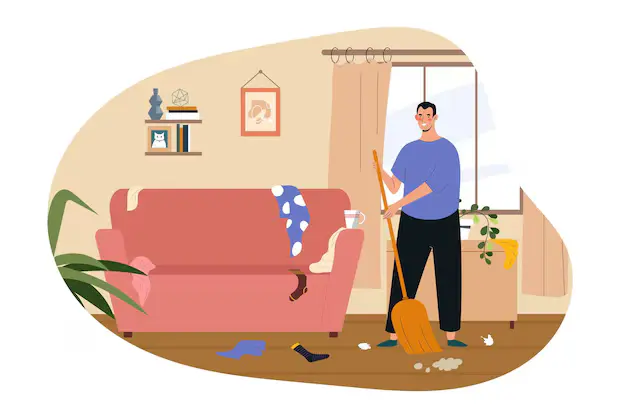
Household dust is a collection of tiny particles that naturally build up inside your home over time. These particles are very light, which allows them to float through the air and eventually settle on surfaces like furniture, floors, electronics, and shelves. Even if you clean regularly, dust can quickly return because new particles are constantly entering or being created inside the home.
At Mesh Maids, we often notice that many people believe that dust only comes from outside. However, a large portion of household dust is actually generated indoors through daily activities and normal household materials.
Household dust is usually made up of a combination of the following particles:
- Dead skin cells naturally shed by people and pets
- Fabric fibers from clothing, carpets, upholstery, and curtains
- Pet dander and hair from dogs, cats, or other pets
- Pollen particles that enter through windows, doors, or clothing
- Soil and dirt tracked indoors from shoes
- Hair and lint from everyday household activities
- Paper fibers from books, tissues, and packaging materials
- Microscopic debris from furniture, mattresses, and bedding
As cleaning experts, we understand that dust is constantly being created and circulated throughout the home, especially when people move around, open doors or windows, or use HVAC systems. This is why you may notice dust reappearing shortly after cleaning. Dust mites are one of the most common allergy triggers that we found in Canadian households.
Understanding what household dust is made of helps you identify its sources and take the right steps to reduce it more effectively. In the next section, we will explain why your home may always feel dusty and what you can do to control it.
Mesh Maids Tip: Use our ultimate bedroom cleaning checklist for dust control in bedroom and enjoy dust-free home.
10 Surprising Reasons Your Home Is Always Dusty and How to Fix It
Dust never seems to take a day off. You wipe, sweep, or vacuum, and within hours it’s back on your shelves, floors, and furniture. Beyond just looking messy, dust can irritate allergies, affect air quality, and even make your home feel less comfortable.
We are describing the top 10 reasons of why your home is dusty and what you can do to fix it.
1. Dirty or Clogged Air Filters
Your HVAC system plays a major role in controlling the amount of dust circulating inside your home. When the system is working properly, the air filter helps capture dust, pollen, and other airborne particles before they spread throughout the house.
Why this increases dust
When air filters become dirty or clogged, they lose their ability to trap dust effectively. Instead of filtering the air, the HVAC system can begin circulating dust and tiny particles throughout different rooms, causing them to settle on furniture, floors, and other surfaces. To clean your floors, here is the list of best products for every floor type.
We often notice that homes with neglected air filters tend to collect dust more quickly, even if regular cleaning is done. Through our cleaning experience, HVAC maintenance is one of the most overlooked factors affecting indoor dust levels.
Expert strategy
- Replace HVAC air filters every 1–3 months, depending on usage
- Check filters more frequently if you have pets or allergies
- Use high-quality filters designed to trap fine dust particles
By keeping your air filters clean, you can significantly reduce the amount of dust circulating in your home and improve indoor air quality at the same time.
2. Carpets and Rugs Trap Dust
Why It Matters
Carpets act like magnets for dust, trapping dirt deep in their fibers. Every step you take releases dust back into the air.
How to Fix It
- Vacuum at least twice a week with a vacuum that has a HEPA filter.
- Deep clean carpets every 6–12 months.
- If possible, clean carpet with vinegar and baking soda, which helps in keeping carpet dust-free.
3. Dusty Upholstery and Curtains

Why It Matters
Fabric furniture, curtains, and cushions collect dust quickly, especially if they’re not cleaned regularly.
How to Fix It
- Wash curtains every 3–6 months.
- Vacuum upholstered furniture weekly.
- Use washable slipcovers for easier maintenance.
4. Clutter Collects Dust
Why It Matters
More items mean more surfaces for dust to settle on. Decorative pieces, books, and knick-knacks are dust’s favorite resting spots.
How to Fix It
- Declutter your home regularly.
- Store items in closed cabinets instead of open shelves.
- Adopt a “less is more” approach.
5. Leaky Windows and Doors
Why It Matters
Dust doesn’t just appear inside, it enters from outside. Open windows and doors are open invitations for dirt, pollen, and other particles.
How to Fix It
- Seal gaps with weather-stripping or caulk.
- Install air-purifying plants near entry points.
- Keep doormats inside and outside entrances to reduce tracked-in dust.
6. Pets and Pet Dander
Why It Matters
Your pets are adorable, but they shed hair and dander that quickly turn into dust.
How to Fix It
- Brush pets regularly to reduce shedding.
- Wash pet bedding weekly.
- Vacuum floors and furniture daily if you have heavy shedders.
7. Dirty Air Ducts and Vents
Why It Matters
When dust collects in air ducts, it gets blown back into your living spaces every time the system runs.
How to Fix It
- Inspect ducts annually.
- Hire professionals for a duct cleaning service when necessary.
- Keep vents clean by vacuuming them monthly.
8. Rarely Washed Bedding
Why It Matters
Beds are one of the dustiest places in the home. Skin flakes, hair, and fabric fibers collect daily.
How to Fix It
- Wash sheets weekly in hot water.
- Vacuum your mattress monthly.
- Use dust-mite-proof covers for mattresses and pillows.
9. Neglected Ceiling Fans and Light Fixtures
Why It Matters
Ceiling and woozoo fans and fixtures gather dust fast—and every time you turn them on, they scatter particles across the room.
How to Fix It
- Wipe ceiling fans every 2 weeks with a microfiber cloth.
- Use extendable dusters for light fixtures.
- Clean before turning on the fan, especially after long periods of disuse.
Check out the step-by-step guide on how to clean your woozoo fan here.
10. Infrequent Cleaning Habits
Why It Matters
Even small cleaning delays can give dust more time to settle and spread.
How to Fix It
- Establish a weekly cleaning schedule.
- Focus on high-dust zones like baseboards, shelves, and window sills.
- Use microfiber cloths, which trap dust better than feather dusters.
Keeping dust under control is all about understanding where it comes from. With over years of experience, we believe how small changes like upgrading filters, washing fabrics regularly, or sealing windows can make a big difference in keeping homes fresher and healthier. By staying consistent with these habits, you’ll improve the air you breathe, creating a cleaner and more comfortable home for your family.
Dust Hotspots You Probably Forget
Even if you’re great at keeping up with cleaning, there are sneaky spots in every home where dust builds up fast and contributes in making your home looks more dusty. Most of us don’t notice until it’s out of control. These hidden areas not only collect dust but also release it back into the air, making your home feel less fresh than it really is.
1. Baseboards
They’re often ignored during house cleaning but baseboards act like dust ledges. Over time, they collect a surprising amount of dirt, pet hair, and debris.
Fix It: Wipe them down every couple of weeks with a damp microfiber cloth or use a vacuum attachment for quick touch-ups.
2. Behind the Fridge & Under Appliances
Out of sight, out of mind — but these spots are dust magnets. When dust mixes with grease in the kitchen, it creates a sticky mess that’s harder to clean and can even affect your fridge’s efficiency.
Fix It: Pull out the fridge (or at least use a long-handled duster) every few months. Do the same under the stove and laundry machines.
3. Ceiling Corners
Ever notice cobwebs appearing even if you don’t see spiders? That’s dust binding together in ceiling corners. It’s one of the first places guests notice if you miss it.
Fix It: Use an extendable microfiber duster to sweep corners once a month — no ladder needed.
4. Under Large Furniture (Sofas & Beds)
If you’ve ever moved your polyester couch or bed. You will always find “dust bunnies” underneath. These hidden piles circulate dust every time you walk by.
Fix It: Vacuum or sweep under big furniture every few weeks, especially if you have pets. For low-clearance furniture, a slim dusting tool works wonders.
Dust doesn’t just sit still, it moves around with air flow. Tackling these forgotten spots makes your whole home feel cleaner, fresher, and gives you a roadmap of making your home less dusty.
Expert Strategies to Reduce Dust in Your Home (2026)
Keeping dust under control requires more than occasional cleaning. Because dust is constantly created and circulated inside the home, reducing it effectively involves a combination of smart cleaning habits, proper ventilation, and regular maintenance.
At Mesh Maids, we work in many homes every week, and we have learned that small changes in daily habits and cleaning routines can significantly reduce dust buildup. While it may not be possible to eliminate dust completely, but we can help you manage it in a way that keeps your home cleaner for longer.
Below are some expert strategies we recommend to help you reduce dust in your home more effectively in 2026.
Use Microfiber Cloths for Dusting
Traditional dusters can sometimes move dust around instead of removing it.
At Mesh Maids, we often recommend microfiber cloths because they are designed to trap dust particles rather than spreading them into the air. You can reduce dust by:
- Dusting with slightly damp microfiber cloths
- Cleaning surfaces from top to bottom
- Washing microfiber cloths regularly to maintain effectiveness
This simple change can make a noticeable difference in how much dust remains in your home.
Vacuum Regularly with a HEPA Filter
Vacuuming is one of the most effective ways to remove dust, especially from carpets, rugs, and upholstery. From our professional cleaning experience, vacuums equipped with HEPA filters are particularly effective because they capture very fine dust particles that standard vacuums may release back into the air.
To control dust better, you should:
- Vacuum high-traffic areas at least once or twice a week
- Clean carpets, rugs, and upholstered furniture
- Pay attention to corners and edges where dust collects
Wash Bedding and Fabrics Frequently
Fabrics can trap a surprising amount of dust, lint, and skin particles. We often see dust accumulation coming from items like:
- Bedding and pillowcases
- Curtains and drapes
- Throw blankets
- Upholstered furniture
To reduce dust buildup, you can:
- Wash bedding every 1–2 weeks
- Clean curtains periodically
- Shake out or vacuum fabric surfaces
Regular fabric cleaning helps prevent dust from circulating throughout the home.
Reduce Clutter on Surfaces
Cluttered surfaces can collect and hold dust more easily. We often notice that homes with fewer items on shelves and tables are much easier to clean and maintain. You can reduce dust accumulation by:
- Keeping surfaces organized
- Minimizing decorative items in dusty areas
- Storing rarely used items in closed cabinets or containers
Less clutter means fewer places for dust to settle.
Maintain Your HVAC System
Your HVAC system plays a major role in indoor air quality.
From our experience in cleaning homes with high dust levels, dirty filters and poorly maintained ventilation systems are often a major cause of dust circulation.
To improve air quality, you should:
- Replace HVAC filters regularly
- Schedule periodic system maintenance
- Keep vents and air returns unobstructed
These steps help your system capture dust instead of spreading it throughout the house.
Clean Floors and Entryways Frequently
A large amount of dust actually enters your home from outside dirt and soil carried on shoes.
To reduce this, we recommend:
- Placing doormats at entrances
- Removing shoes indoors when possible
- Vacuuming or mopping entryways regularly
From our experience, entryways are one of the most common sources of dust entering a home.
The Role of Humidity in Dust Control
If you live in Canada, you know how extreme the seasons can be. Winters bring dry indoor air from constant heating, while summers sometimes feel humid and sticky. Both of these affect the amount of dust in your home and makes your home look dusty.
- When the air is too dry : Dust clings to surfaces more easily because static electricity builds up. You may notice dust piling up faster on your LCD TV screen, shelves, and electronics.
- When the air is too humid : Extra moisture encourages mold and mildew, which combine with dust and make the air feel heavier and less healthy.
What You Can Do: Keep your indoor humidity between 40–50%. A humidifier can help in the winter, while a dehumidifier or better ventilation helps in the summer. Not only will this reduce dust, but it will also make your home more comfortable to breathe in.
If you’re sneezing more often during winter or noticing musty smells in summer, it’s a sign your home’s humidity may be out of balance — and that’s when dust becomes more stubborn. Adjusting your cleaning routine with the seasons not only keeps your home looking spotless but also helps you breathe easier year-round.
Pro-Tip: Book our spring cleaning services for best results.
How Mesh Maids Can Help You Clear Dust
At Mesh Maids, we understand that life is busy. Dust builds up quickly, and sometimes you simply don’t have the time or energy to stay ahead of it. That’s where we come in with:
- Deep cleaning services that tackle hidden dust in carpets, vents, and upholstery.
- Regular house cleaning to keep your home fresh and breathable.
- Move-out cleaning so you can start fresh without lingering dust.
When you choose Mesh Maids, you’re not just hiring a cleaning service, you’re investing in a healthier home and cleaner air for your family. Contact us and let us help you, to get relief from your dusting problems.
Conclusion
Dust is inevitable, but it doesn’t have to control your home. By understanding the 10 reasons why your home is so dusty and following these practical solutions, you can dramatically reduce dust and breathe easier.
Whether it’s poor air filtration, pet dander, or clutter, each factor has a fix and with consistent habits and a little help from Mesh Maids, your home can be fresher, cleaner, and more comfortable.
So the next time you notice dust piling up, schedule your cleaning with Mesh Maids and let us make a dust-free home for you.